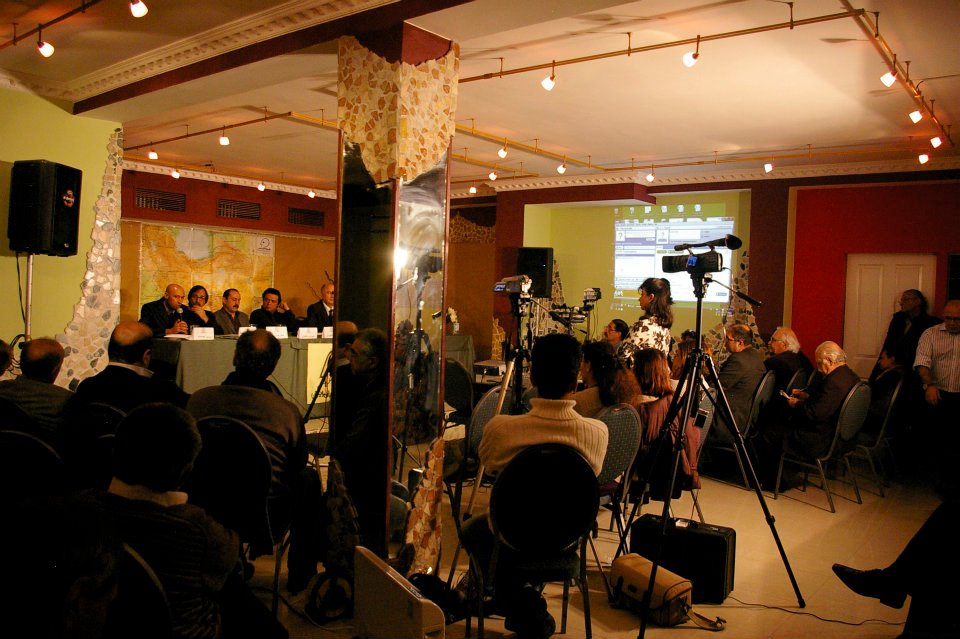
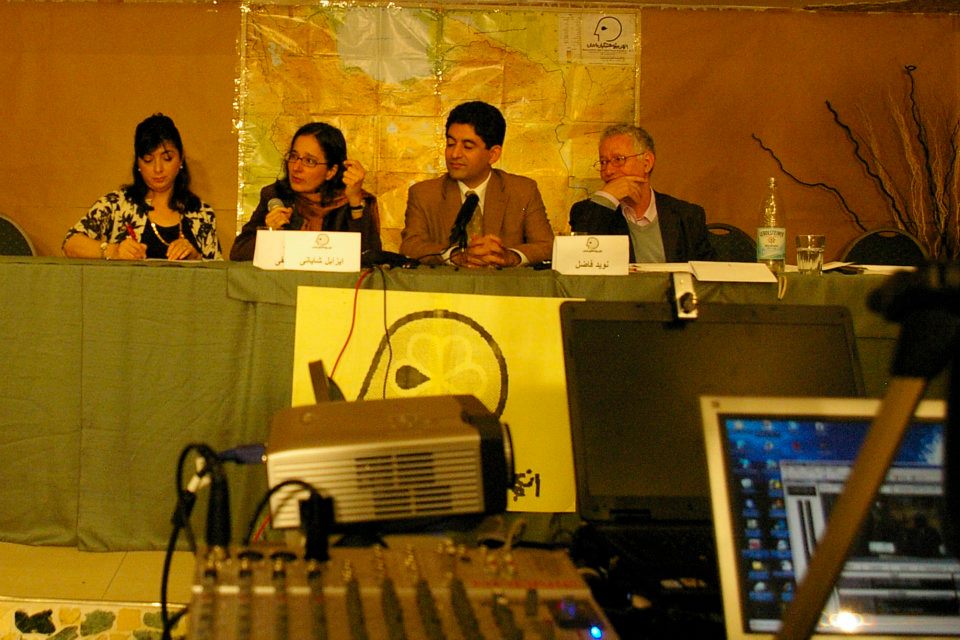
Date: December 9, 2023 Venue: London School of Economics (LSE)
On December 9, 2023, ACI hosted a one-day seminar titled ‘Baluchistan: Dignity, Freedom, and Justice for All,’ addressing critical human rights issues and systemic injustices in the Baluchistan region. The seminar highlighted the challenges faced by the Iranian Baloch people over the past four decades, including discrimination, poverty, and violations of their religious, ethnic, and linguistic rights. Additionally, the seminar addressed the disproportionate use of the death penalty and the continued use of lethal force against unarmed civilians, raising serious concerns regarding crimes against humanity under the ICC Statute.
The event coincided with the 75th anniversary of the Convention on the Prevention and Punishment of the Crime of Genocide, marking a significant occasion to reflect on the importance of human rights and justice for vulnerable populations like the Baloch people.
Discrimination, Poverty, and Human Rights The seminar delved into the historical and ongoing challenges facing the Baloch people, focusing on issues such as multidimensional deprivation, ethnic and linguistic discrimination, and violations of basic human rights. Testimonies and discussions illuminated the severe socio-economic conditions in the region, including lack of access to education, employment, and healthcare.
Systematic Use of Lethal Force and the Death Penalty One of the key topics of the seminar was the excessive use of lethal force against unarmed civilians and the high rates of executions in Baluchistan, with many participants emphasizing the human cost of these practices. Discussions explored how these acts may constitute crimes against humanity under international law, particularly in the context of the International Criminal Court (ICC) Statute.
Testimonies and Personal Accounts Human rights defenders, activists, and experts shared powerful testimonies that highlighted the personal and collective suffering of the Baloch people. Among the poignant speakers were Fariba Baloch, a human rights defender, and Mohsen Borhanzehi, who recounted the events surrounding the Maki Mosque massacre in 2022. These first-hand accounts underscored the human toll of state-sanctioned violence and systemic injustice in the region.
International Perspectives and Legal Frameworks Experts such as Professor Payam Akhavan, Professor of International Law and Special Adviser on Genocide, and Professor Javaid Rehman, UN Special Rapporteur on Human Rights in Iran, provided a legal framework for understanding the situation in Baluchistan. They analyzed how international standards and state responsibilities intersect with the ongoing violations in the region and discussed potential avenues for accountability.
The Right to Education A significant portion of the seminar focused on the denial of education and economic opportunity for the Baloch people, particularly women and children. Speakers like Ms. Shahin Nosrati and Laebe Aram highlighted the intersectionality of cultural traditions, economic deprivation, and the lack of educational access, particularly for Baloch women. The importance of education in breaking cycles of poverty and advancing human rights was emphasized as a vital area for future advocacy.
Future Prospects for Balochistan Panel discussions also considered potential paths forward for the region, including the role of international advocacy, legal frameworks, and grassroots efforts in addressing the systemic issues faced by the Baloch people. Activists, political analysts, and journalists underscored the need for broader international attention and intervention to ensure justice, dignity, and freedom for the people of Baluchistan.
Closing Remarks:
The seminar concluded with an emphasis on the importance of international solidarity, legal accountability, and the need for sustained efforts to address the grave human rights violations in Baluchistan. Several messages from prominent figures reinforced the critical need for a focused global response to ensure the protection of the rights of the Baloch people, particularly in terms of education, economic opportunity, and the prevention of violence.
In conclusion, the seminar served as a crucial platform for raising awareness, providing testimonies, and offering legal insights into the systemic injustices faced by the Baloch people in Baluchistan, and the need for urgent action to protect their dignity, freedom, and rights.
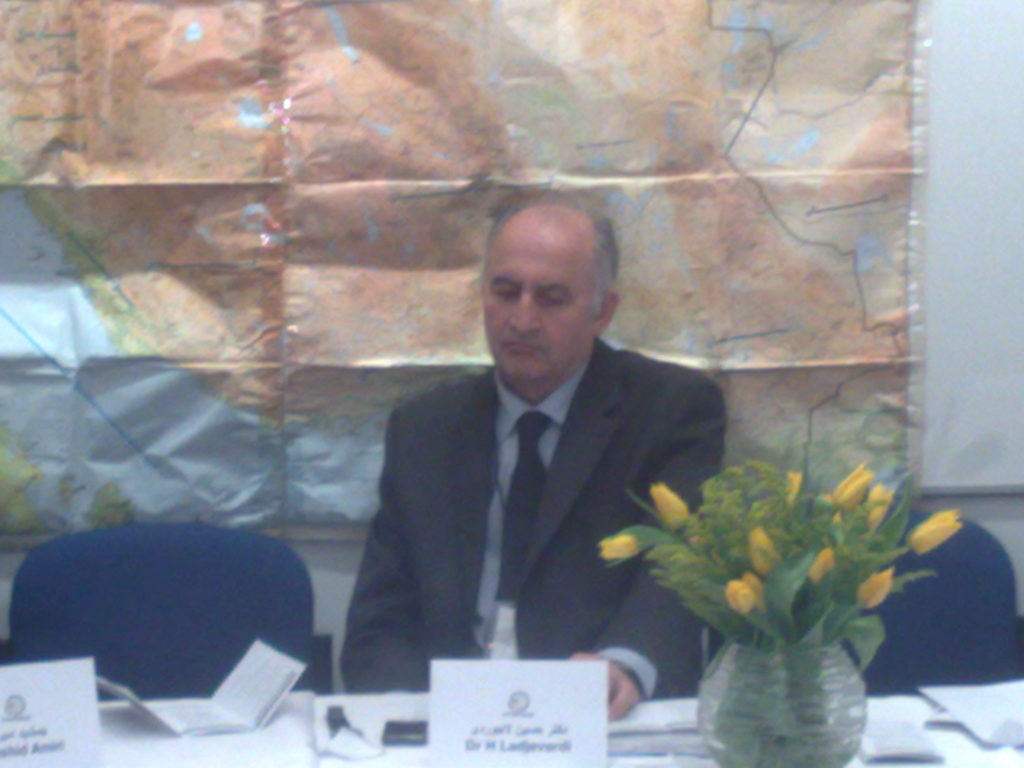
Opening Remarks and Welcome – Dr Hossein Ladjevardi (Persian)
Dr Fereydoon Rahmani – Associate Professor, Programme leader – Human Rights & Equity Studies ‘Comparative look: international standards, State responsibilities and the situation in Balochistan’
Ms Sabah Bandouie -‘Balochistan Human Rights Group’ UN representative ‘44 years of intentional systematic injustice’
Fariba Baloch – Human Rights Defeder: ‘Testimony of a mother, a woman and a Baloch human rights defender’
Dr Sima Sabet – Iran Expert: ‘A Strategic look to Balochistan’
Hon. Bijan R. Kian – Former senior official of the United States Government: ‘Intentional economic development deprivation of specific regions in Iran linked with international narcotics trafficking’
Nasser Boladai – Chairperson ‘Baluchistan People’s Party’ : ‘Crimes against humanity or inconsequential killings?’
Professor Payam Akhavan – Professor of International Law, Special Adviser on Genocide, ICC (TBC): ‘What are crimes against humanity?’
Professor Javaid Rehman – United Nations Special Rapporteur on the situation of human rights in Iran: ‘Balochistan and human rights’
Panel 2 – 14:00-18:00 (Persian)
Prospects for the future: Wider dimensions of poverty, multidimensional deprivation and discrimination based on religious, ethnic, and linguistic rights as told by activists and human rights defenders with special emphasis on the rights to education:
Dr Fereydoon Rahmani – Associate Professor, Programme leader: Human Rights & Equity Studies, ‘Comparative look: international standards, State responsibilities and the situation in Balochistan’
Mohsen Borhanzehi – Baloch Human Rights Defender: Testimonies from Iran: Maki Mosque 30 September 2022
Ms Fariba Baloch– Baloch Human Rights defender: Testimony of a human rights defender
Dr Roya Boroumand – Boroumand Foundation: Extra Judicial Killings and Executions
Ms Fariba Borhanzehi – Baloch child rights defender: Story of two little children – Hangol and Morid
Ms Shahin Nosrati – Writer, Women’s right defender: Women: Inequitable access to education and employment opportunities
Laebe Aram – Writer: ‘Intersectionality of culture, tradition and economic deprivation impacting the fate of Baloch women‘
Dr Abdolsatar Doshoki – political analyst: ‘Inequitable access to higher education’
Rahim Bandouie – ‘Baluchistan People’s Party’: ‘Economic discrimination and intentional poverty’
Masoud Raeisi – Journalist – ‘Poverty, multi-dimensional deprivation and prospects for the future‘
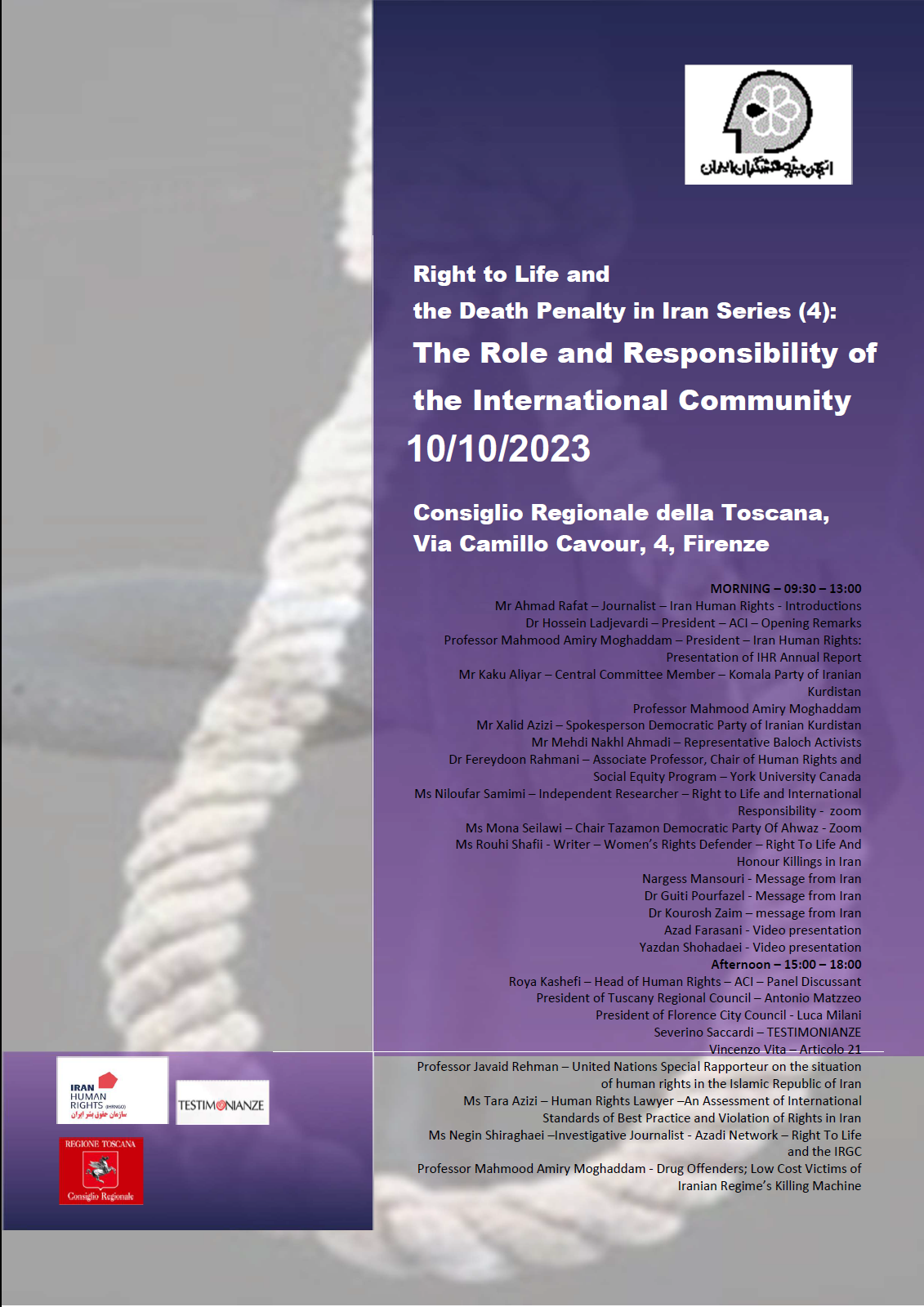
On March 15, 2023, UNODC signed a Country Partnership Programme with the Islamic Republic of Iran for 2023-2026. It is stated that this Programme aims to further strengthen the cooperation between the UNODC and Iran on drugs, crime, international criminal justice, corruption, and alternative livelihood through promoting United Nations standards and international best practice.
The UNODC guidance on the protection of human rights in countries where aid is provided for anti-drugs programmes explicitly acknowledges the links between funding and executions and recommends withdrawal of support where improvements were not made. While there is clearly a need for international cooperation on counter-narcotics efforts, this must be proportionate to right to life and respect for human rights.
In view of the increased number of executions in Iran on drugs related charges this year alone, our conference’s focus is the role and responsibility of the international community:
How is the international community and the UN agencies reconciling the use of the death penalty and lashes as punishments – even for addicts – with United Nations standards and international best practice?
How is the international community and the UNODC resolving the contradictions between cooperation with the IRGC and the regime with the fact that IRGC is complicit in international organised crime and drugs trafficking?
How is the international community and the UNODC resolving the increased numbers of arrests, detentions, torture and ill treatment and unfair biased trials for protestors in the last year with UN standards and international best practice?
What is the role and responsibility of the international community when the State not only fails to protect the safety and security of its people but, poisons, maims, kills and executes its people?
Speakers
MORNING – 09:30 – 13:00 Film: Part One Mr Ahmad Rafat – Journalist – Iran Human Rights – Introductions Dr Hossein Ladjevardi – President, ACI – Welcome and Opening Remarks Professor Mahmood Amiry Moghaddam – President, Iran Human Rights (IHRNGO) : Presentation of IHR Annual Report Film:Part Two Alphabetical order: Mr Kaku Aliyar – Central Committee Member – Komala Party of Iranian Kurdistan Mr Xalid Azizi – Spokesperson Democratic Party of Iranian Kurdistan Mr Mehdi Nakhl Ahmadi – Representative of Baloch Activists Dr Nargess Eskandari-Grünberg – Mayor of Frankfurt: Message of solidarity – Zoom Dr Fereydoon Rahmani – Associate Professor, Chair of Human Rights and Social Equity Program – York University Canada Ms Niloufar Samimi – Independent Researcher – Right to Life and International Responsibility – zoom Ms Mona Seilawi – Chair Tazamon Democratic Party Of Ahwaz – Zoom Ms Rouhi Shafii – Writer – Women’s Rights Defender – Right To Life And Honour Killings in Iran Mr Fazel Walian – HANA , human rights group Azad Farasani – Video presentation Yazdan Shohadaei – Video presentation Messages from Iran Nargess Mansouri – Message from Iran Dr Guiti Pourfazel – Message from Iran Dr Kourosh Zaim – message from Iran
Afternoon – 15:00 – 18:00 Roya Kashefi – Head of Human Rights – ACI – Panel Chair Film: Part One Ahmad Rafat – Introductions Welcome Address from Antonio Matzzeo, President of Tuscany Regional Council Luca Milani, President of Florence City Council Severino Saccardi – TESTIMONIANZE Senator Vincenzo Vita – Articolo 21 Film: Part Two Professor Javaid Rehman – United Nations Special Rapporteur on the situation of human rights in the Islamic Republic of Iran Ms Tara Azizi – Human Rights Lawyer – An Assessment of International Standards of Best Practice and Violation of Rights in Iran Ms Negin Shiraghaei – Investigative Journalist – Azadi Network – Right To Life and the IRGC Film: Part Three Professor Mahmood Amiry Moghaddam – Head of IHRNGO Drug Offenders; Low Cost Victims of Iranian Regime’s Killing Machine Closing Remarks and ceremony
In Collaboration With: Testimonianze, Iran Human Rights – Italia Supported by: Consiglio Regionale della Toscana
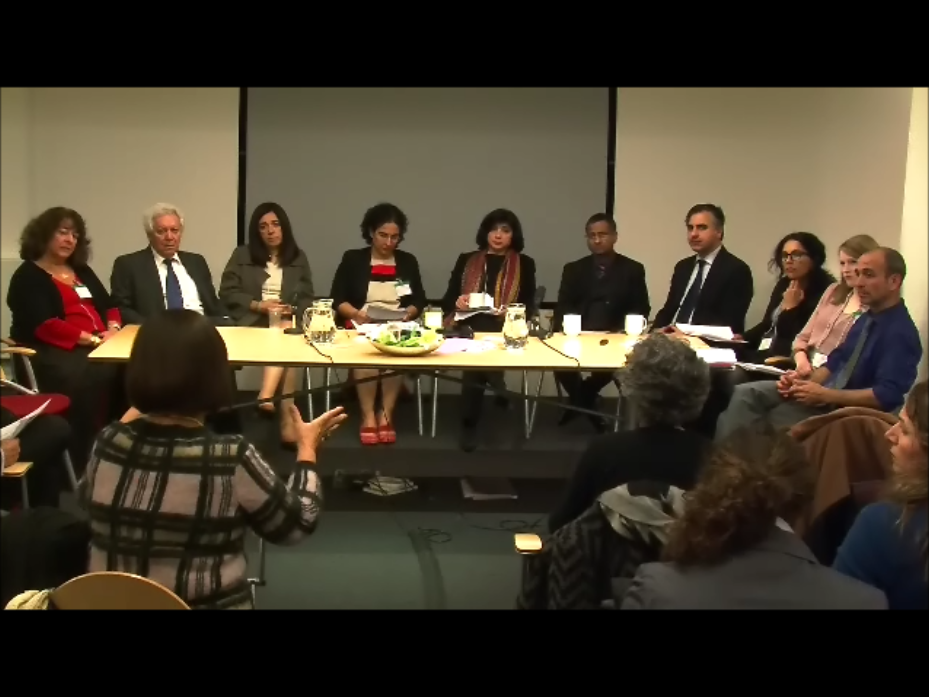
On 21 November 2014 Association des Chercheurs Iraniens (ACI) held a one day seminar co-sponsored by Amnesty International at their International Secretariat in London. (more…)
The proceedings heard the valuable contributions of US and international organisations such as ‘American Civil Liberties Union – ACLU’ and ‘Reprieve’ who offered valuable insight into the application and execution of the death penalty in the USA and the importance of raising awareness through carefully planned campaigns. (more…)
Thirty two speakers participated in this the second of ‘Right to life and Death penalty in Iran’ series of conferences, again held in Koln – Germany.
‘Don’t bury my heart‘ a touching and powerful documentary about minors on death row in Iran made by Saba Vasefi featuring the story of Ali Mahin-Torabi was also shown during the two days . A phone conversation with Ali Mahin Torabi and his gratitude to those who fight for the rights of minors on deathrow in Iran touched many present at the conference.
ACI also presented the findings of its research on public attitude to death penalty at the conference.
As always voices from Iran provided the latest news about the current situation and the efforts by right to life defenders. The two main topics of discussion were right to life and activism, and the use of death penalty in Iran by the regime as a tool of oppression and fear. Human rights defenders, journalists, political activists and representatives of Iran’s ethnic and religious groups particpated in the lively debates of the two days. Films of the conference are available on ACI’s YouTube channel
Speakers
Kourosh Zaim – Iran (via Skype)
Mohammad Mostafaie – Sweden
Abdolsattar Doshoki – UK
Bahram Abar – Germany
Kouhyar Goudarzi – Turkey (via Skype)
Azar Majedi – UK
Mehrdad Darvishpour – Sweden
Abdolreza Ahmadi – The Netherlands
Farhang Ghassemi – France
Shabnam Moinpour
Saba Vasefi – film presentation – Don’t bury my heart
Activist from Iran – via skype – identity protected
Ladan Boroumand – USA (via Skype)
Hossein Ladjevardi – Navid Fazel – ACI Research findings
Mina Ahadi – Germany
Abdolreza Karimi – Germany
Mahvash Alasvandi – Canada ( her two sons were executed in Iran)
Reza Kaabi
Kaweh Ahangari – Belgium
Nader Zahedi – Germany
Mohammad Mesri
Faramarz Bakhtiar
Khaled Hassanpour
Shahryar Naghshbandi
Saleh Hamid
Amjad Hossein Panahi – (report from Sunni and Kurdish prisoners on deathrow in Iran)
ACI dedicated its twenty seventh international conference to the study of ‘Iranian Music, past present and future’. This conference was convened jointly with the Music Institute of Cologne University with the participation of renowned musicians and experts worldwide.
The conference was opened with the welcoming words of Professor Dr Rüdiger Schumacher, the head of the Music Institute, who commented on the close ties between the Institute and the studies on Iranian Music.
Opening Remarks
Dr Hossein Ladjevardi welcomed the audience on behalf of ACI. In his short opening speech, he reflected upon the famous Iranian musicians such as ‘Nakisa’ or ‘Barbod’ whose talents and abilities flourished under the Persian Kings. He went on to explain the aims and objectives of ACI in organising the Music conference. He hoped that with the aid of the experts the pleasure and joy derived from hearing music can be returned to the Iranian culture and replace the culture of mourning and lamentations governing it at present.
Day One – Panel One
Professor Dr Nasser Kanani, one of the organisers of the conference was the first speaker to present his paper. With the aid of some very illuminating slides, he demonstrated the pre-Islamic history of Music in Iran and its importance in the every day lives of Iranians. Professor Dr Kanani completed his tour of the history of Iranian music on the second day by talking about post-Islamic music in Iran.
Dr Thoms Ogger, an expert and lecturer on Iranian music based his interesting paper on Iranian music, past, present and future. Drawing on his first hand experiences in Iran during the last several years he introduced his views on modernity in Iranian music at present and where he sees it going.
Professor Dr Hormoz Farhat, one of the most prominent authorities on Iranian music was the last speaker of the first session. His presence and paper on ‘Authenticity versus reform in traditional Persian music’ created a great deal of excitement. Amongst some very revealing points, in his opinion, traditional Persian music is noble yet familiar, private, and spiritual. He believes that it is to be heard in small and private gatherings as he did not believe it to have the same effect in a large informal concert hall. He believes it to be precious and one, which should be preserved.
Day One -Panel Two
Dr Reza Torshizi, gave one of the most engaging talks of the conference as the first speaker of the second session on day one. He discussed rhythm in Iranian music. In his opinion, classical Persian poetry was the infrastructure upon which the rhythm of traditional Iranian music was based.
Abdolhamid Eshragh, presented a very entertaining paper on ‘Dastgah’ in Iranian music. He had accessed some first recordings of instruments played by masters, which he shared with the audience. Amongst them a very beautiful impromptu dialogue between a canary and the ‘tar’ playing of one of the masters.
Ghassem Talebzadeh, an accomplished and renowned violinist, discussed modernity in traditional Iranian music and suggested that by deriving inspiration from folk and traditional music, the music of the time must be created and that it must catch the essence of the era it is written and performed for.
Day Two – Panel Three
Dr Jalal Akhbari, expert and musician, opened the first session of the second day by discussing the history of ancient Iranian music. In the second part of his paper in the afternoon session, he related the history to ‘Santoour’, its evolution, and teaching technique during the ages.
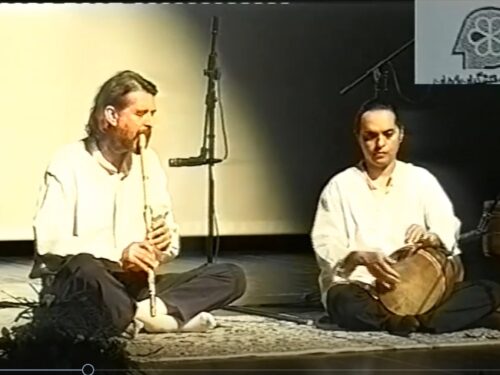
Dr Hossein Omoumi, one of the most famous masters of ‘Ney’ presented a most charming and engaging papers on the history and teachings of the art of playing the ‘Ney’. He paid homage to his master, Hassan Kassaie as well as demonstrating a variety of methods for playing the ‘Ney’.
Majid Khalaj, a young and accomplished musician whose expertise, knowledge and dedication in the art of Iranian drums have placed him highly amongst the masters of the instrument gave a most interesting talk punctuated by demonstrations of various rhythms and their language.
Day Three – Panel Four
Professor Dr Rüdiger Schumacher, opened the afternoon session. He presented a most informative paper on the teachings in the Music Institute of Cologne University and its ties with Persian music. He dedicated his paper to Dr Massoudieh a colleague and close friend.
Dr Eckart Wilkens, an expert on Iranian Music, discussed whether it was necessary to modernise traditional music for it to become global. He demonstrated his understanding of Iranian music a beautiful piece for the piano entitled ‘Sun, moon and the stars’. The audience received this very warmly.
Dr Mohamad Assemi, enthralled the audience with his exciting and passionate delivery of traditional poems and their rhymes and rhythms which in his opinion had directly affected the music of their time.
The Concerts
This particular conference was a new yet pleasant experience for the organisers because of the concerts, which were organised. The generosity of the experts and musicians who donated their time and performances for two evenings of traditional and modern music was received warmly by the audience. Both evenings were also recorded and broadcast into Iran by the BBC, Voice of America, Radio Free Europe, Radio France Internationale, Voice of Israel and Deutsche Welle.
The first evening was dedicated to traditional Iranian music. Madjid Derakhshani and his beautiful tar playing opened the concert. Jalal Akhbari followed this with a piece on the ‘Santoor’ with the guest accompaniment of Reza Torshizi on the ‘Tonbak’. To close the evening, Hossein Omoumi and Madjid Khaladj received standing ovations for their enchanting performance of ‘Ney’ and ‘Tonbak’.
The second evening was opened by a special piece for the flute written and performed by Dr Wilkens for the concert. This was followed by Guiti Khosravi accompanied on the piano by Dr Sara Hassanpour and later a by Gahssem Talebzadeh who had composed a piece as a surprise for the organisers. Cyrus Malakouti closed the first half of the evening with a classical piece performed on his specially modified and designed guitar.
The second half saw a very entertaining piece by Maryam Akhundi and her group. This was followed by the beautiful folk singing of Parvin Cox accompanied by a student of the Tonbak ‘Nassim’. The evening came to its end with the beautiful performance of the ‘Bahar’ dance group with choreography by Bahrampour.
The final evening was dedicated to Iraj Janati-Attaie. In his honour, ACI had invited his friends and colleagues as well as two of the most famous Iranian popular artists ‘Dariush’ and ‘Ebi’. His poems were instrumental in their phenomenal success both before and after the Islamic Revolution.
ACI believes that the successes and achievements of individuals must be honoured while they are still alive. Not only rewarding, but this will also allow them to carry on stronger than ever before and encourage the young generation to follow their example.
Thanks and gratitude
ACI would like to thank Professor Dr Kanani, Dr Mahmoud Khoshnam and, Dr Mehdi Rosefid, head of ACI Germany for their valued support and contribution. ACI extends its special thanks and gratitude to Professor Dr Rüdiger Schumacher at the University of Cologne’s the Music Institute whose vision and support made the conference possible.
Technopolis Innopoli 2, Tekniikantie 14, 02150 Espoo – Finland
Association des Chercheurs Iraniens (ACI) held its forty eighth conference under the above title. This conference was co-convened with the Scandinavian Art and Business Institute in Finland. Our aim, as always, was to discuss and look into as many different aspects of the chosen topics in an unbiased and scholarly manner.
Centralized policies and governing systems have proved discriminatory and inflicted severe pressure on Iranians living in different parts of Iran for far too long. Mindful of safeguarding Iran’s territorial integrity, there is an urgent need to find a viable governance structure that would resolve the present issues and grievances for all Iranians.
The many studies and consultations undertaken by ACI indicate that the future governance structure should be based on some form of devolved power. ACI proposed that equality and democracy are prerequisites to sustainable change.
Panel discussions:
An assessment of today’s unstable political situation in Iran (political, social, economic and legal assessment with special emphasis on the deteriorating human rights situation)
Reaching a common understanding of terms and definitions
Examining the role and place of a common shared language, official language, and mother tongues in the future of Iran
“Devolved Power, Federalism…?” What is the best structure for Iran?
Methods of transition to a form of devolved power, democratic socio-political coexistence, and an effective political system for the future of Iran.
The conference was conducted in the Farsi language. English translations of the papers presented will be available soon.
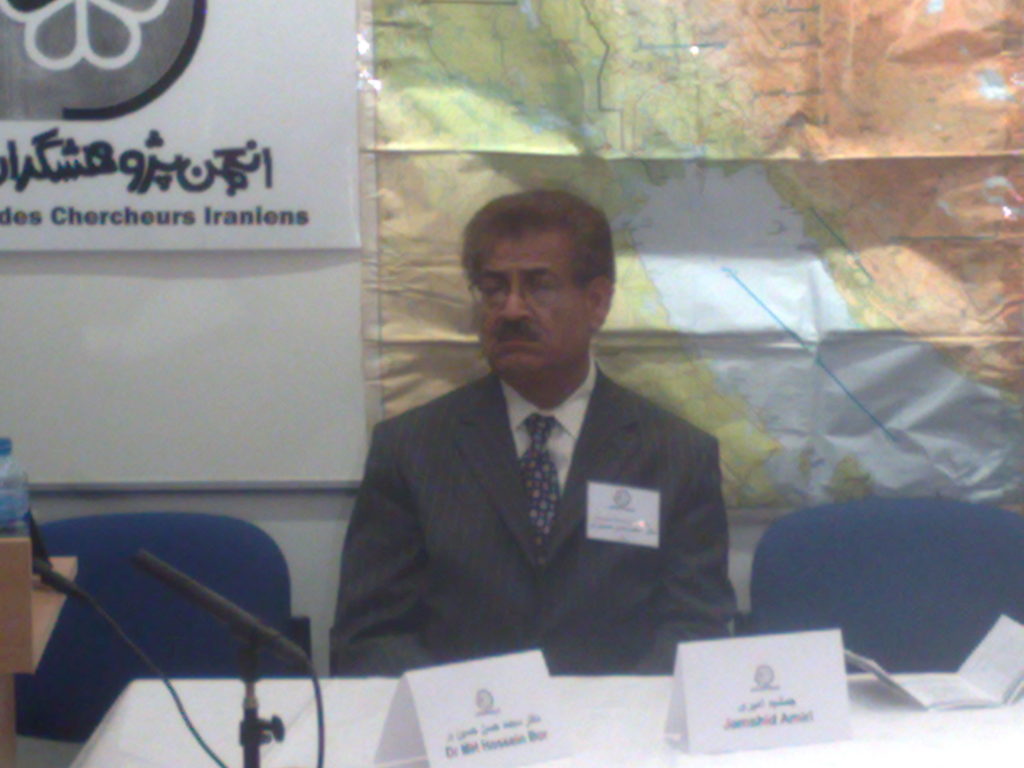
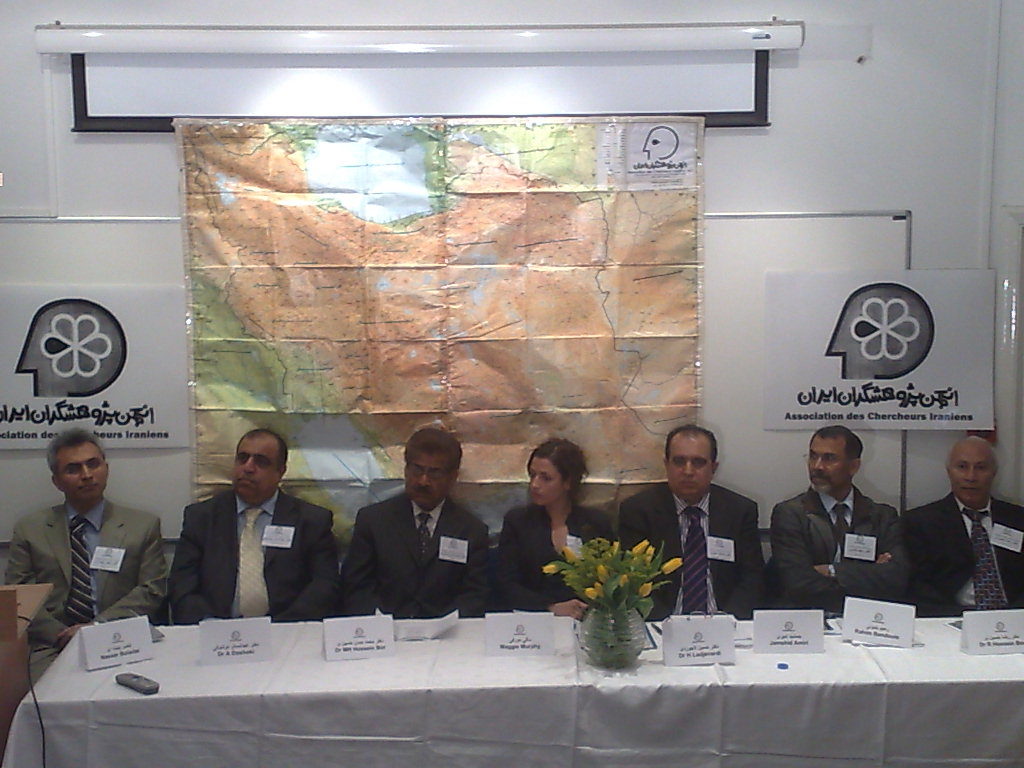
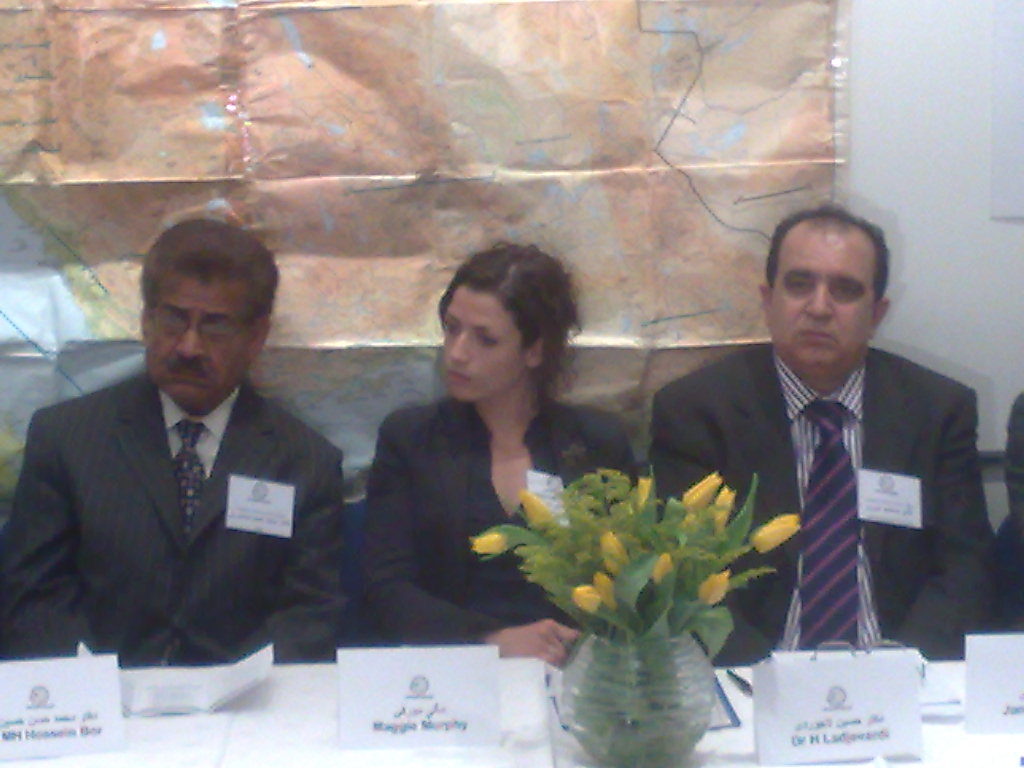
Report No.: 168/B/388 Event: Roundtable on Issues and Challenges in Baluchistan Date of Event: Saturday, May 15, 2010 Location: University of Richmond, London, United Kingdom
The roundtable titled “Issues and Challenges in Baluchistan” was held on May 15, 2010, at the University of Richmond in London, organized by the Iranian Research Association. The event commenced with Dr. Hossein Ladjevardi outlining the objectives of the meeting, emphasizing that the discussions aimed to find solutions within the framework of Iran. This roundtable was the first in a series designed to address the demands and needs of various regions of Iran, starting with Baluchistan, with a focus on improving life conditions, reducing violence, eliminating executions, and achieving political freedoms and democracy.
Key Speakers and Topics:
Dr. Mohammad Hassan Hossein Bor (Lawyer, USA)
Historical, social, and political context of Baluchistan.
Mr. Jamshid Amiri (United Front of Baluchistan, UK)
Examination of economic, social, and political demands, and an overview of the historical national movement in Baluchistan.
Mr. Rahim Bandoui (People’s Party of Baluchistan, UK)
National sovereignty of Baluch people and its relation to democracy in Iran.
Dr. Abdul Sattar Doshoki (Executive Director, Baluchistan Studies Center, UK)
Causes of conflict in Baluchistan and their historical roots.
Mr. Nasser Balideh (People’s Party of Baluchistan, Sweden)
Cultural pluralism in Baluchistan.
Ms. Maggie Murphy (UNPO, Belgium)
The importance of accurate information for international organizations.
Roya Kashefi (ACI, Head of Human Rights Committee)
The importance of effective and accurate human rights reporting
Dr. Reza Hossein-Bor (Political Activist, UK)
Federalism as a solution to national issues in Iran.
Discussion Highlights:
Political and Human Rights: The roundtable dedicated considerable time to political and human rights issues in Baluchistan. The region faces systemic deprivation, with the Iranian regime limiting access to basic resources and opportunities. The ongoing violence, oppression, and lack of freedom have left the Baluch people in a state of perpetual poverty.
Economic Disparities: Despite Baluchistan being rich in natural resources and having a vital maritime position, the people of the region continue to live in severe poverty. This paradox was a focal point of the discussions.
Cultural Issues: The regime’s efforts to marginalize Baluch culture, including the suppression of the Baluchi language, were discussed in depth.
Proposed Solutions:
Decentralized Governance and Federalism: A majority of the speakers advocated for a decentralized or federal system as a solution to the ongoing issues in Baluchistan. Federalism was seen as essential for political and economic empowerment, allowing for better management of local resources and addressing the region’s specific needs.
Concluding Recommendations:
A series of future conferences is planned to delve deeper into the following areas:
The exclusion of the Baluch people from national power and wealth.
The lack of infrastructure, economic management, and industrial development in the region.
Cultural issues, including religious tensions and their impact on the region.
The absence of political freedoms and social rights.
The marginalization of the Baluchi language.
The status of women in Baluchistan and the influence of violence on family structures.
The widespread violence in the region.
The potential for federalism and decentralized governance as solutions.
The ongoing human rights violations, especially in recent years.
The hope is to further explore these topics in future conferences, leading to the publication of a comprehensive reference book on the issues facing Baluchistan.
Organizer: Association des Chercheurs Iraniens (ACI)
Ref: 167/B/387
Date: 12 May 2010
Roundtable: Identifying issues and problems in Balochistan
Date: Saturday, 15 May 2010 – Time: 14:00 – 19:00
17 Young Street, Kensington – London W8 5BN
ACI would like to announce a roundtable to examine the issues and problems facing Sistan and Balochistan province in Iran. Following initial consultations, ACI is holding the roundtable to identify the major points of concern with relation to social, cultural, political and economic issues to be studied and addressed for a future major conference later in the year.
ACI firmly believes that for far too long Iranians in various regions of Iran have been subjected to intentional and deliberate discrimination by the State. In keeping with ACI’s aims and objectives, we intend to identify the root causes and to address aspirations concerning social, cultural, political and economic matters within a decentralised government. For these reasons, ACI is planning a series of conferences starting with the Sistan and Balochistan region of Iran. As with all previous studies solutions will be sought within the framework of maintaining Iran’s territorial integrity.
Speakers at the roundtable will include (in alphabetical order):
Jamshid Amiri – Balochistan United Front (Federal Republican) – UK
Rahim Bandouie – Balochistan People’s Party – UK
Nasser Boladai – Balochistan People’s Party – Sweden
Abdulsattar Doshoki – The Centre for Balochistan Studies – UK
Mohammad Hassan Hosseinbor – Lawyer – USA
Reza Hosseinbor – Balochistan Peoples Front – UK
Roya Kashefi – Head of Human Rights Committee – ACI
There will be presentations of 10 minutes each followed by panel discussions. Papers presented and record of the roundtable will be available on ACI’s website from Tuesday 20 May 2010.
In view of the widespread deployment of violence, intimidation, rape, imprisonment and the ultimate cruel, inhuman and degrading punishment ‘the death penalty’ of the last few months in Iran, ‘Association des Chercheurs Iraniens’ has organised an emergency conference in Cologne-Germany with the hope of reaching a coordinated and concerted effort in opposing and working towards abolishing the death penalty in Iran in all cases regardless of the nature of the crime, the characteristics of the offender, or the method used by the regime to kill the prisoner. In the conference examined the following key issues:
The Sociological Aspect of the Use of the Death Penalty
Human Rights: The Violation of Fundamental Rights In Iran
The Use of Violence and the Death Penalty Against Iran’s Ethnic Groups
The Use of Violence and the Death Penalty Against Iran’s Religious Groups
A Realistic Assessment of the Regime’s Instability and the Deployment of Violence And Executions
Saturday – December 5, 2009
Panel One – Violation of Human Rights
Roya Kashefi – ACI Human Rights Committee
Mina Zarin – Human Rights Defender
Rahim Rashidi – International Federation of Journalists
Assad Seif – Writer
Jahanbakhsh Rostami – Kurd Cultural Centre – Germany
Panel Two – Punishment and State-Sponsored Violence in Iran
Sirus Malakooty – ACI
Tonia Valioghli – ‘The Mourning Mothers’
Nastaran Amjadi – Human Rights Defender
Mitra Khalatbari – Jouranlist
Fereydoon Ahmadi – Political activist
Niloofar Bayzaei
Sunday – December 6, 2009
Panel Three – The Death Penalty and Violence Against Iran’s Ethnicities
Hossein Ladjevardi – ACI
Nosrat Teimourzadeh – Komala and Communist Party of Iran Central Committee
Mohamad Mosri – Komala Iran Kurdistan
Abdolsattar Doshoki – Baluchestan Studies Centre
Voria Mohamadi – Komala of the Toilers of KurdistanIran
Khaled Hassanpour – Kurdistan Democratic Party
Panel Four– The Death Penalty and Violence against religious groups in Iran
Navid Fazel – ACI
Asghar Abdi – Researcher
Isabel Schayani – Journalist
Panel Five – The Faltering State and the Rise of Violence and Executions in Iran
Hossein Ladjevardi – ACI
Foad Taban – Editor in Chief Akhbar Rooz
Jamshid Farooghi – Head of Deutsche Welle – Persian
Behzad Karimi – The Organization of Iranian People’s Fadaian (Majority)
Hamila Nisgilli – Rahe Kargar Central Committee
Abdullah Mohtadi – Secretary General of Komala Party of Iranian Kurdistan
ACI maintains an impartial and an unprejudiced approach to all its activities and respects all schools of thought. We work actively with colleagues from all over the world, and hope to contribute towards a better future for Iran. We welcome and invite the participation of all those interested in the future of Iran.




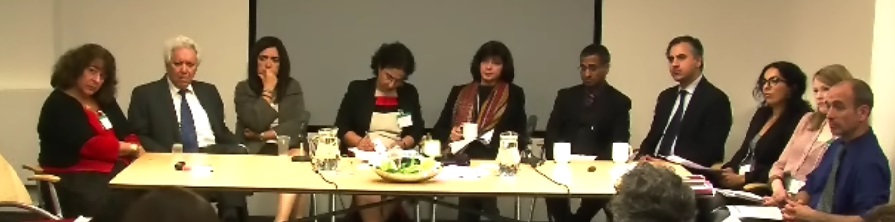

 In this third conference, we were honoured to have