Category: Human Rights

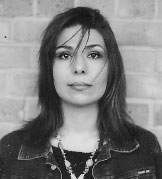
  • Elizabeth Sidney Speech – IWD 2008

    Elizabeth Sidney Speech – IWD 2008


    International Women’s day 2008

    Frontline Club – 13 Norfolk Place, London W2 1QJ

    Date: Saturday 8 March 2008

    ACI Meeting in Celebration of Iranian Women

    International Women’s Day 8/03/2008

    Iran is probably the world leader in misogyny, the relentless persecution of women as a tool in the regime’s armoury to ensure they stay in power. Intimidation of women is a key element in terrorizing families and whole communities. It is enforced by a huge, nation-wide police force, the Revolutionary Guard.

    This corrupt organisation, actively engaged in drug and human trafficking, enforces the mullah’s crazy ruling regarding women’s behaviour. These police are brutal, and we can only marvel at the courage of the Iranian women remaining in Iran, who continue to protest and peacefully demonstrate how the mullahs’ regime is violating even the Iranian constitution.

    The mullahs have not recognised the rights of women stated in the Constitution. Instead, they have introduced more and increasingly savage – ludicrous if they were not so savage – constraints on women’s lives. These constraints have been enforced both capriciously and cruelly.

    What on earth are the authorities with their huge police force doing, spending time on arresting and imprisoning  women for wearing scarves which don’t cover their heads and necks? Don’t they have a country to run? The state security force has even issued a list of clothing which is deemed ‘dangerous to social and moral security’. Dangerous?

    Throughout 2007, every month hundreds of thousands of women were stopped and warned by the police. Thousands were actually arrested, sent to police headquarters or imprisoned. The sole purpose of this treatment must be to spread anxiety and to intimidate. And the fears are well founded. Behind the silly dress codes much worse things are happening. Iran is the only country in the world which hangs women in public. Official sources record six women hanged in 2007, and sentences of death passed on 24 women, including 18 to death by stoning.

    In Iran, fathers go unpunished for murdering daughters, husbands go unpunished for inflicting permanent physical and psychological damage on their wives. An estimated 60,000 girls, many in forced marriages, run away from home each year. The level of suicide for young women aged 15-24 is the highest in the world.

    On International Women’s Day 2007, women were arrested for demonstrating in Tehran on the grounds of distributing anti-government propaganda. They were collecting 1 million protest signatures. 123 arrests were officially recorded, a serious underestimate. Imprisonment in Iran means brutal treatment and ofen torture. Yet still, brave women protest. I fear we shall learn of more protests in Tehran today, and the same violent police attacks as before. Of course, if we care for women, if we care for democracy and for gender equality, we must salute them, we must bear witness.

    I hope David Milliband has a copy of the report ‘The Hell on Earth’ and thinks about our country’s attitude to such a regime.

    Above all, as women we must oppose this terrible regime – and, of course, all such regimes which fail to recognise women’s full humanity. Sadly, Iran is not the only country where women’s rights are denied and where domestic and other violence is tolerated or even encouraged.

    We must work for the Millennium Goals, the third of which is the advancement of women. Kofi Annan, when he was UN Secretary General, said that unless this goal was achieved, all the others would fail.

    A major issue, affecting women worldwide, is violence against women. UNIFEM has described it as pandemic, with 20% or so of married women experiencing domestic violence, even in the democracies committed to universal human rights.

    On 25th February, the present UN Secretary General, Ban Ki-moon, launched a worldwide campaign to reduce this violence – to stop what he called “the untold cost that violence against women inflicts on all mankind.” “Violence against women” he said, “is never acceptable, never excusable, never tolerable.”

    89 nations now have legislation outlawing domestic violence. 104 recognise marital rape as a criminal offence. The White Ribbon Campaign, which enlists men to oppose violence, now operates in 47 countries. Harriet Harman has made elimination of violence against women one of her three priorities. Today, let us celebrate Iran’s brave resistance movement and commit ourselves to the global campaign to eliminate violence against women.


  • Mitty Tohma’s Speech – IWD 2008

    Mitty Tohma’s Speech – IWD 2008

    Mitty Tohma – WFWP

    International Women’s day 2008

    Time: 14:30 – 17:00

    Date: Saturday 8 March 2008

    Mitty Tohma, President WFWP-UK

    The Role of Women in Creating a Culture of Peace

    Good afternoon.  Thank you for inviting me to share a few words to mark the International Women’s Day, recognizing the crucial role that women have in nurturing and guiding future leaders

    Throughout history, walls have been raised between peoples, such as the Berlin Wall and the separation barrier in Israel; but the most entrenched walls are those that exist within people themselves.  Once people begin to view different groups as “the other”, divisions occur where one puts one’s interests above the interests of the other party.  These divisions are more deeply rooted and more difficult to pull down than any physical barrier.  The unavoidable result is a destructive and imbalanced relationship of violence and retribution, intolerance and resentment, whether between different individuals, races, religions or nations.

    Women in particular are uniquely equipped to move beyond these internal barriers of self-interest. Women have the unique qualities of empathy, forgiveness and unconditional love, such as that shown by a mother for her child, which are essential for fostering peace, whether in the family, the greater society, or even the world.  The finest minds have always understood the peacemaking role of women.

    WFWP encourages every woman to become a ‘woman of peace’ through cultivating her heart, the mother’s heart, to care not just for her own children, but for the children of others, the children of other nations.

    The value of volunteerism and character education is a central aspect of education. In spite of the centuries of rule by brute force, we can observe the instrumental role historically played by individual women in laying the foundations for peace.

    It has become more and more apparent through the years of peace building, discussions, and networking that peace is not only NOT attainable without the involvement of women, but that in that process, “women have significantly contributed to redefining the concept of peace and how leadership must be exercised in pursuit of that goal”.  We women will, and need, to become a cornerstone for strengthening co-operation and partnership between others.

    In order to strive for world peace it must be achieved through true love based on motherly love.  We must encourage the women leaders to end conflict around the world; we know the oppression and discrimination which women in history faced and are facing.  However, now they are able to discard this historic suffering because ‘the time of women has come.’

    As women, we share a common heart and common experience because we are daughters, sisters, wives, and mothers.  We share the same joys and we share the same heartaches. This shared and common heart allows us to connect deeply with one another, and urges us to live for the greater good.  Even though this is my first time to listen to Roya and the other distinguished ladies on the panel, I feel close to the women here.  There is much that I can learn from the Iranian women.  The tradition of filial piety and continual care of children, runs deep in the Iranian culture and stands as an example for women throughout the world

    The general consensus is that now, more than ever, with humankind having reached a crossroad between destruction and development, the transformative and educational mechanisms in a healthy family are the best paradigm for peace-building and for fostering human dignity.  The recommendation is that women receive access to tools and resources for leadership towards a culture of peace and development.

    As Kofi Annan once stated,

    “Without more equal input from women we can never hope to achieve our goals”.

    Coalition between women is essential.  We must unite for the common good and put our differences aside.

    Thank you

  • Two Poems for Women of Iran – IWD 2008

    International Women’s day 2008

    Time: 14:30 – 17:00

    Date: Saturday 8 March 2008

     Shirin Razavian

    Rainbow of memories


    I see us

    Still looking for a rainbow

    With our dresses

    Flowing in the wind

    And our platted hair

    Shiny and black


    I see us

    Still-

    Walking along the riverbank

    With our feet

    Rosy from the cold water

    And the sun

    Playing cheeky games

    In the honey of our eyes


    I still hear the swallows

    Nesting on our roof


    And our nights

    Fragrant

    With the kindness of Jasmine trees

    Continents apart

    -as we may be

    I still see us together.


    Shirin Razavian

    12th June 2003 London


    Wine, bread & blood         


    I have flown

    Through the icy clouds

    With the last of

    The immigrant pelicans


    I have swam upstream

    With the pink salmon

    In search of my destiny


    I have walked

    The barren desert

    On my bare feet

    With the last woman from the East

    Carrying the burden of our femininity


    We encountered the Christ

    At the first oasis

    We cried blood

    And ate bread

    And drank wine

    We compared wounds

    And shared kindness


    I have planted the seeds of life

    Into resistant soil

    And watered them

    With the blood flowing from my fingertips


    I have danced in life’s festival

    But it was a gypsy dance!

    I had no home


    I flew away with the last crow

    Cawing bitterly

    On a snowy morning


    Shirin Razavian

    December 2004

    London


  • Watch It! – IWD 2008

    London – UK

    Time: 14:30 – 17:00

    Date: Saturday 8 March 2008

    Voice of AmericaInterview with Roya Kashefi –

    7 March 2008 (In Farsi)

    (starts at 17:11)

    VOAPNN Roya Kashefi 2


    click on RSS link to listen to the report

    Radio Zamaneh

    Special report of the event by

    Farangis Mohebi


    8 March 2008 (in Farsi)


    Read the text (in Farsi)

    متن گزارش

    http://radiozamaaneh.com/Mohebbi/2008/03/post_31.html

    International Women’s Day 2008A Tribute To the Iranian WomenIWD 2008
    Roya Kashefi introduces the dayRoya Kashefi2 Sally Spear – UNIFEM-UKsally spear 2
    Mitty Tohma – President – WFWP-UK

    Mitty Tamoha 3

    Elizabeth Sidney OBE –Human Rights Advocate

     Elizabeth Sidney

    Tahirih Danesh –

    Human Rights Researcher/Documenter

    tahirih 1


  • Protest over Proposed harmonisation of EU Asylum Laws

    Date:    28 April 2004

    Ref:      96/M/271


    Mr Bertie Ahern

    The Taoiseach and EU President

    Government Buildings

    Merron Street Upper

    Dublin – 2


    Protest over

    Proposed harmonisation

    of EU Asylum Laws


    Return to designated safe third countries.

    The proposed appeals procedure.

    Detentions and enforced deportations.


    We would like to add our voice of concern and protest over the proposed asylum laws being debated this week.  It is with regret that we note the widening gap between the draft directives and international law despite calls from the NGO community, the European Parliament, UNHCR, lawyers and leading academics.

    May we respectfully remind you of:-

    • the 1999 Tampere Conclusions :- ‘on the absolute respect for the right to seek asylum’ and the ‘full and inclusive application’ of the 1951 UN Refugee Convention. Certain proposed measures in the two directives constitute a clear breach of Member States’ obligations under the European Convention on Human Rights and the UN Refugee Convention.
    • article 18 of the Charter of Fundamental Rights of the European Union, ‘The Right to Asylum’. It states, ’the right to asylum shall be guaranteed with due respect for the rules of the Geneva Convention of 28 July 1951 and the Protocol of 31 January 1967 relating to the status of refugees and in accordance with the Treaty establishing the European Community’.
    •  that the credibility of the EU with respect to human rights policy in external relations depends also on the conduct of its policy on human rights and fundamental freedoms within its own borders.

    We are particularly concerned about the plight of Iranian asylum seekers and:

    Return to designated safe third countries. The mere fact of transiting a particular country, in UNHCR’s view, cannot be considered a meaningful connection to justify the application of the safe third country concept. This would thereby create a real danger of indirect forced return of refugees to possible persecution in Iran in contravention of the 1951 Convention and other international human rights law instruments.” Connected to this, in an open letter to your office Ruud Lubbers warned that the criteria for determining the “safety” of a third country are “minimalist” and could lead to asylum seekers being sent back to countries that do not maintain basic human rights standards and where there is no guarantee their cases would be fairly and efficiently examined. This “could amount to an effective denial of the right to seek asylum under international law,” UNHCR said

    The proposed appeals procedure. As the text stands, “the vast majority” of rejected asylum seekers who lodge an appeal will not be permitted to remain in the EU until their appeals are decided – despite the fact that in several European countries 30-60 percent of initial negative decisions are subsequently overturned on appeal. This is higher for Iranian asylum seekers. Article 39 of the text contains a list of wide-ranging exceptions to the principle that people should be allowed to remain while their appeals are being considered – exceptions “which have no relation to the merits of a person’s claim, but are based on technical or discretionary factors, or the claimant’s behaviour.” Ruud Lubbers letter noted “For example, persons may be removed pending appeal simply because they have been detained, or because they failed to make an application earlier. Such rules can badly prejudice refugees who are traumatized, confused or simply not properly informed about the asylum process.”

    Detentions and enforced deportations. The use of detention prior to return must only be applied as a last resort and subject to effective review in a manner compatible with Article 5 of ECHR. Procedures to ensure that the physical integrity of returnees is maintained during removal proceedings and that the use of force is justified by a returnees’ own behaviour and no more than absolutely necessary should also be implemented.

    We understand the crucial role the Presidency will play in the debate. It has no choice but to try and seek compromise and reach agreements, but agreement should not be found at the expense of adequate protection for refugees and other persons in need of international protection. The cumulative effect of these proposed measures is that the EU will greatly increase the chances of real refugees being forced back to their home countries. This will be hard to track, because the forced return may take place via a chain of countries, but that does not mean it will not happen.

    It is of great concern that European Commission has expressed its satisfaction that the standards due to be agreed are consistent with international obligations. We urge you not to allow the proposed harmonisation of EU asylum laws which are in contravention of international laws to go ahead at the expense of the asylum seekers rights accorded to them in the 1951 Geneva Convention.

    Respectfully yours


    Dr Hossein Ladjevardi

    President, ACI

  • WHY WE ARE ASYLUM SEEKERS

    Ref:      90/M/263

    Date:    30 January 2004


    The Iranian Asylum Seekers’ Charter

    “WHY WE ARE

    ASYLUM SEEKERS”

     To:

    The People in the Four Corners of the World Who are our Hosts

    The United Nations

    The European Union

    The United States

    To Canada, Australia …

    In the last twenty five years, since the Islamic Revolution, over four million of Iranians have been dispersed around the world far from home and family.

    The fact that:

    • what proportion of are officially recognised as refugees, have submitted asylum applications, or are living without identity and where;
    • many more of the seventy million Iranians dream of fleeing our country;
    •  in this unprecedented flight and exodus many of our young have been victims of people traffickers, have fallen in the jaws of death, misadventure and abuse; have suffered from the bitter experience of weeks and months of being hidden in the back of lorries and boats in search of a safe refuge, or ended up behind bars
    • many suffer to acquire even the most basic of rights: shelter, sustenance and clothing,
    • much of Iran’s wealth and human resources is wandering aimlessly with an uncertain future,
    • our country and its future have ended up in such chaos, and where our future, that of the society and our country is going;

    The fact that:

    • based on the Constitution of the Islamic Republic discrimination against half of our population, the women, is legal and institutionalised;
    • based on the Islamic Constitution  discrimination against all ethnic and religious groups who could be identified as the real owners of Iran has been institutionalised;
    • based on the last  pre-revolution national census in 1976, so far 11.08% of Iranian Zoroastrians, 53.25% of Iranian Christians,  79.54% of Iranian Jews and almost all of Iranian Baha’is have been forced to flee Iran;
    • due to the despotic nature of the Islamic Republic discrimination, torture and imprisonment of dissident Sunni and Shia clergies alike are widespread;
    • in the last twenty five years many artists, journalists, thinkers and academics have been incarcerated and executed on charges of conscience,  or kidnapped, disappeared or murdered with the regime blatantly accepting responsibility.
    • the very foundation of our society is plagued with disorder and chaos
    • drug addiction, prostitution, runaway children and social insecurity are every day experiences
    • economic crisis, absolute poverty, widespread unemployment… have forced the society into a downward spiral;
    • due to economic instability and insecurity Iran’s underground resources are auctioned off and the political instability prohibits any form of investment in Iran even by Iranians who invest their money anywhere but in Iran
    • our historical and cultural heritage are sold off
    • despite Islamic Republic earning around five hundred billion dollars in oil income through legitimate and illegitimate sales in the last twenty five years, its rulers will under no circumstances account for the fact that when this amount could have built a country from scratch, how is it that they have managed to drag our country into such poverty and hardship.
    • the rulers of the Islamic Republic are only interested in personal financial gain and the next deal. Based on reports by NGOs from Iran even a catastrophic tragedy such as the Bam earthquake has turned into yet another money making tool,

    all demonstrate that the Islamic regime in its entirety has no desire, answer or plan for the today and tomorrows of Iran.

    What is chronicled above is a brief glimpse of the misery ruling the lives of Iranians including those you classify as asylum seeker.

    We, those who are unjustly labelled as asylum seekers, ask you the responsible authorities of the world:

    q       are you, as the responsible authorities of the world, truly concerned for the oppressed nations of the world?

    q       Do you not really know that 89% of the world population lives in poverty and other hardships and only 11% live in the so called industrialised developed world who do not suffer with their people wandering the world as asylum seekers?

    q       Do you not really know that the countries of origin of asylum seekers are different from each other due to their various cultural, economic and political backgrounds?

    q       Do you not really know that in the classification of reasons for asylum seeking economic betterment plays the largest part?

    q       And do you not really know that at least we Iranians do not need to fall into that category since our country is rich in wealth and resources?

    q       Do you not really know that Iran is a country rich in its human resources and underground wealth? And that its young population will create a prosperous future for Iran only if it benefited from a democratic government.

    q       Do you not really know that this is the desire and the will of the Iranian people and our only rescue route ending our wanderings?

    There should be no doubt that if the issues and problems of asylum seeking are not dealt with at root a satisfactory solution will not be achieved. The root cause of asylum seeking must be sought in the identity and behaviour of despotic regimes of asylum seekers’ home countries and international engagement for financial gain.

    At the same time we are familiar with the realities and the problems facing your communities due to the large presence of asylum seekers. While we understand that financial deals with a weak regime provide the best return for your countries and satisfy your national interests but if in the UK, for example, asylum and immigration are major issues after education and health and support for unpopular despotic regimes continue the problem of asylum will soon become the number one priority. You have to recognise that even building iron walls, disregarding international standards for assessing asylum claims, removing rights of appeal and enforced deportations will not be a successful deterrent in the long term if the issue is not resolved at its root.

     We at ACI believe and are sure that you are also fully aware that where Iranian asylum seekers are concerned we are only your guests as long as the Islamic Republic is in existence. Our life as asylum seekers in Iran’s long and proud history is nothing but a tragic yet passing chapter. Over seventy percent of Iranians are below the age of thirty. None of the Islamic Republic’s factions, reformist or hardline, have the answers to the needs of Iran’s young population. The Islamic Republic’s internal bickering and fighting will not produce the solutions to economic poverty, social problems or lack of national and international credibility. We have no doubt that their days are numbered.

    Meanwhile we ask you, the governments and responsible ministries, to be understanding and lenient in your assessment of our asylum claims. We ask you to understand that our presence in your countries is a direct consequence of political tyranny and persecution. The numerous human rights reports are testimonies to this fact. Islamic Republic offers cultural differences as an acceptable defence for its violent and unacceptable behaviour. Cultural differences must not be accepted as an excuse for violation of rights. These cultural differences allude to the regime’s ideology and not the wishes and practices of the Iranian people. If the 1951 Geneva Convention and its amendments were interpreted in its true spirit there would not be a single refusal to our claims. As your honourable judges assess cases without political prejudice or expediency, with respect, we ask you to adopt the same unbiased approach. As has been proven time and time again we are positive contributors to host communities, science and economy once given the opportunity and permission to stay and work. This would be mutually beneficial in this transient period. We look forward to your compassionate response.

    With respect


    Prepared by Association des Chercheurs Iraniens (ACI)

    on behalf of Iranian Asylum seekers everywhere

  • The United Nations High Commission for Human Rights and the Islamic Republic

    Ref: 74 / M / 223

        Date: 22 April 2002

    The United Nations High Commission for Human Rights and the Islamic Republic

    The UNHCHR toady announced that the mandate for its Special Rapporteur on Human Rights in the Islamic Republic would not be renewed.

    By disregarding the European Union’s request for censuring the Islamic Republic for its repeated human rights violations, the twenty countries voting in favour of the Islamic Republic also disregarded the annual country report from the US State Department, they disregarded the country reports from internationally respected Human Rights Organisations, in particular they paid no attention to the contents of the report of UN’s own Special Rapporteur, which told of worsening and on going violations while at the same time acknowledging the Iranian nation’s demand for the establishment of democracy and an immediate improvement to their daily lives and ultimately they disregard the continual:

    • Cruel, inhumane and degrading punishments
    • Religious and racial discrimination
    • Inequality for women
    • Kidnapping, disappearances, extrajudicial detentions and torture
    • Floggings, stoning, executions and other medieval acts
    • Violations of individual and civil rights for example freedom of expression.

    A look at the countries voting in favour of the Islamic Republic may explain why:

    Algeria, Armenia, Bahrain, China, Cuba, Congo, India, Indonesia, Libya, Malaysia, Nigeria, Russia, Saudi Arabia, Senegal, Sudan, Syria, Togo, Venezuela and Vietnam.

    The people of Iran understand the worth of such votes and know very well what the Islamic Republic is doing. Islamic Republic must realise that such votes will not change the opinion Iranian nation.

    Association des Chercheurs Iraniens

  • G8 and the Issues of Refugees

    Ref.: 56 – M – 196

    Thursday July 19, 2001

    Canada: Prime Minister Jean Chretian

    France: President Jacques Chirac

    Germany: Chancellor Gerhard Schroeder

    Italy: Prime Minister Silvio Berlusconi

    Japan: Prime Minister Junichiro Koizumi

    Russia: President Putin

    United Kingdom: Prime Minister Tony Blair

    United States of America: President George Bush

    Immigrants, Asylum Seekers, The Displaced

    While thousands of protesters have massed in Genoa for the first in a series of demonstrations against the 27th annual economic summit which begins in the city on Friday the first of these marches is dedicated to issues concerning refugees and immigrants.

    Although apart from Russia, the seven richest countries of the world do not have the problem of their people seeking asylum or enforced immigration but as host nations, they face the difficulties of dealing with its related problems.

    If we accept that the pain of seeking asylum or enforced immigration is a catastrophic one and the reasons for leaving one’s home is usually unsafe circumstances, the refugees only have the one choice of coming to the countries that in their opinion will provide them with refuge. This in turn threatens the safe social structure of the host countries. So far, a logical solution to this problem has not been reached. This is simply because the real reason behind this misery is hidden in the economic benefits of the richest countries in the world.

    • The economic benefits of the most prosperous countries are in having a suitable market. Their most suitable market lies in the third world and developing countries that export refugees. It seems that the only way of maintaining these suitable markets is in backing the leaders who can best serve this purpose.

    • In discussing the troubled world economy and improvements to global trade, should you not consider the globalization of human rights values? Should you not act more responsibly and set an ethical policy for your trade developments?

    You must evaluate the human costs to these oppressed nations and reassess your approach.

  • Open letter 5: To Mary Robinson, UN High Commissioner of Human Rights

    Date: April 3, 2001

    Our Reference: 163 – M – 50


    Mrs. Mary Robinson

    High Commissioner for Human Rights

    Dear Madam,

    Situation of Human Rights in Iran

    Iran’s ambassador to the United Nations, Mr. Ali Khorram’s call on the UN to recognise Islamic Republic’s improved record on Human Rights and to drop it from the agenda of the current annual meeting of the United Nations Human Rights Commission prompted us to write this letter.

    Madam, the Commission Resolution 1984/54 of 14 March 1984 has meant the annual endorsement of the Commission’s decision to extend the mandate of the Special Representative of the Commission on the situation of Human Rights in the Islamic Republic of Iran and submission of interim reports to the General Assembly and Commission session. On 18 October 2000, the last interim report caused Mr. Asefi, Iranian Foreign Ministry spokesman to condemn the report as ‘an interference’ and ‘one sided without considering realities.’ However, Mr. Khorram’s statement yesterday concerning the improvements in Iran is a clear admission of the past violations of Human Rights in the Islamic Republic.

    In assessing this request, relying only on UN’s own meetings and reports, we would like to draw your attention to the following points most of which have been raised at the current session on the 29 March 2001 by Maurice Copithorne, Special Representative on the situation of Human Rights in Iran (report E/CN.4/2001/39), Fauzzia Assaad of International PEN, David A Harris of American Jewish Committee, Jose Nndjemoti of International Federation of Human Rights League, and Techeste Ahderom of Baha’i International:

    FREEDOM OF EXPRESSION


      1. Freedom of Expression – (E/CN.4/2001/39 pages 5, 6, 7 section II / A) Islamic Republic’s record on freedom of expression worsened during 2000. It remains a central issue in the struggle between hard-liners and political reformers. By the end of year 2000 more than 30 independent newspapers and journals were ordered closed without hearings. Charges ranged from reporting on the state of the Islamic Republic’s problematic policies on economy, politics to moral and financial corruption, and social and cultural issues. Censorship of academics, books, papers and film scripts are matter of course in an attempt to purge persons alleged to fight against the sanctities of Islamic system.


      1. Imprisonment and torture of journalists – The arbitrary arrests and detention of journalist as well as other writers, intellectuals and dissidents carried on during 2000. Reporters without Borders called Ayatollah Ali Khamenei, Iran’s supreme leader, one of the twenty-two most dangerous predators of press freedom ever recorded by them.


    1. Students (E/CN.4/2001/39 pages 7, 8 section II / B) – The right to free expression, peaceful assembly and association is still amongst the worst violations of human rights and civil liberties in the Islamic Republic. The correct number of students still held in detention and prison since the July 1999 demonstrations have still not been determined. According to student bodies in Iran, a number of students have disappeared and those in detention undergo torture. The students are held in prison while the instigators of the violence and those in charge have been exonerated and remain at large.


    THE STATUS OF WOMEN

    1. (E/CN.4/2001/39 pages 8, 9 Section III.) Despite Mr. Khorram’s insistence that women’s rights had improved in Islamic Republic of Iran, violence against women as reported in the Human Development Report of Iran, 1999 has not improved. There has been little if any change in the systematic discrimination facing Iranian women.


    LEGAL SUBJECTS


    • (E/CN.4/2001/39 pages 9 – 14 Section IV. A, B, C, D, F & G) In the last year the arbitrary arrest and detention of two of the prominent Iranian women activists Mehrangiz Kar, and Shahla Lahiji, as well as cleric Hojatoleslam Youssefi Eshkevari and journalist Akbar Ganji for expressing their opinions to name a few amongst numerous other intellectual, journalist and dissidents, yet again drew attention to the unfair and unjust Judicial System of the Islamic Republic. This in itself requires a separate report and assessment; suffice to ask that is the Judicial System exclusively owned and run by the hard-liners?


    ETHNIC AND RELIGIOUS MINORITIES


    • (E.CN.4/2001/39 pages 13 Section IV. E; pages 14 – 18 Section V. A, B & C) Systematic and regular persecution of religious and ethnic minorities has not improved. The Islamic Republic should declare the number of people arrested, held in detention under torture and executed on charges relating to ethnicity and religious beliefs. What if any improvements have been made while the constitution remains unamended?


    SOCIAL AND POLITICAL FREEDOM


    • (E.CN.4/2001/39 pages 18 – 21 Section VI. A, B; pages 20 – 21 Section VII. ) As recent as 11 March 2001, 21 liberal-minded activists were arrested at a meeting in Tehran and none of their charges are clear. According to their families 12 of them, remain in solitary confinement detention. This is while numerous other intellectuals, dissidents remain in detention, while the issues of disappearances, and serial killings seem to have been forgotten.


    ELECTIONS

      1. (E.CN.4/2001/39 pages 20 – 21 Section VII) Despite large numbers of voters, people participation must not be mistaken with improvement or progress. It is a clear sign of dissatisfaction and the only form of safe protest. Candidates for election have to be vetted and choice is limited to those accepted by the Council of Guardians. Once elected even peoples’ representatives are powerless to exercise their democratic right. As was witnessed during August 2000 Ayatollah Khamenei, the Supreme Leader, intervened in a parliamentary debate on press law and stopped the democratic process. This bill was later reintroduced only to be banned by the Council of Guardians for being un-Islamic. Members of Majlis do not dare to express their opinions since they have no immunity. The latest victim is Mrs. Fatemeh Haghighatjo who was arrested in March 2001. Her hearing is pending

    IMMIGRATION AND ASYLUM SEEKING


    • (E.CN.4/2001/39 pages 23 Section VIII. A4) Immigration and asylum seeking by Iranians has increased greatly in the last three and a half years. Despite press describing the main motivation to be economic, many have skills sorely needed by Iran. Foreign Embassies in Iran record highest numbers of immigration applications while in Britain alone the number of asylum application rose form 585 in 1997 when President Khatami took office to 5170 in year 2000. This pattern is repeated in many other countries.


    Madam, in conclusion and in the light of the above points ACI would like to respectfully ask your office to request from the Government of the Islamic Republic to provide the Commission and the General Assembly with satisfactory replies. Finally, to explain that if the Islamic Republic enjoys good and improved Human Rights record why it has refused to extend an invitation to UN’s Special Representative since 1996.

    Respectfully Yours

    Dr Hossein Ladjevardi

    President, Association des Chercheurs Iraniens (ACI)

    cc. Mr. Kofi Anan

    Country Representatives

  • Situation of Human Rights in Iran

    Date: April 3, 2001

    Our Reference: 163 – M – 50


    Mrs. Mary Robinson

    High Commissioner for Human Rights

    Dear Madam,

    Situation of Human Rights in Iran

    Iran’s ambassador to the United Nations, Mr. Ali Khorram’s call on the UN to recognise Islamic Republic’s improved record on Human Rights and to drop it from the agenda of the current annual meeting of the United Nations Human Rights Commission prompted us to write this letter.

    Madam, the Commission Resolution 1984/54 of 14 March 1984 has meant the annual endorsement of the Commission’s decision to extend the mandate of the Special Representative of the Commission on the situation of Human Rights in the Islamic Republic of Iran and submission of interim reports to the General Assembly and Commission session. On 18 October 2000, the last interim report caused Mr. Asefi, Iranian Foreign Ministry spokesman to condemn the report as ‘an interference’ and ‘one sided without considering realities.’ However, Mr. Khorram’s statement yesterday concerning the improvements in Iran is a clear admission of the past violations of Human Rights in the Islamic Republic.

    In assessing this request, relying only on UN’s own meetings and reports, we would like to draw your attention to the following points most of which have been raised at the current session on the 29 March 2001 by Maurice Copithorne, Special Representative on the situation of Human Rights in Iran (report E/CN.4/2001/39), Fauzzia Assaad of International PEN, David A Harris of American Jewish Committee, Jose Nndjemoti of International Federation of Human Rights League, and Techeste Ahderom of Baha’i International:

    FREEDOM OF EXPRESSION


      1. Freedom of Expression – (E/CN.4/2001/39 pages 5, 6, 7 section II / A) Islamic Republic’s record on freedom of expression worsened during 2000. It remains a central issue in the struggle between hard-liners and political reformers. By the end of year 2000 more than 30 independent newspapers and journals were ordered closed without hearings. Charges ranged from reporting on the state of the Islamic Republic’s problematic policies on economy, politics to moral and financial corruption, and social and cultural issues. Censorship of academics, books, papers and film scripts are matter of course in an attempt to purge persons alleged to fight against the sanctities of Islamic system.


      1. Imprisonment and torture of journalists – The arbitrary arrests and detention of journalist as well as other writers, intellectuals and dissidents carried on during 2000. Reporters without Borders called Ayatollah Ali Khamenei, Iran’s supreme leader, one of the twenty-two most dangerous predators of press freedom ever recorded by them.


    1. Students (E/CN.4/2001/39 pages 7, 8 section II / B) – The right to free expression, peaceful assembly and association is still amongst the worst violations of human rights and civil liberties in the Islamic Republic. The correct number of students still held in detention and prison since the July 1999 demonstrations have still not been determined. According to student bodies in Iran, a number of students have disappeared and those in detention undergo torture. The students are held in prison while the instigators of the violence and those in charge have been exonerated and remain at large.


    THE STATUS OF WOMEN

    1. (E/CN.4/2001/39 pages 8, 9 Section III.) Despite Mr. Khorram’s insistence that women’s rights had improved in Islamic Republic of Iran, violence against women as reported in the Human Development Report of Iran, 1999 has not improved. There has been little if any change in the systematic discrimination facing Iranian women.


    LEGAL SUBJECTS


    • (E/CN.4/2001/39 pages 9 – 14 Section IV. A, B, C, D, F & G) In the last year the arbitrary arrest and detention of two of the prominent Iranian women activists Mehrangiz Kar, and Shahla Lahiji, as well as cleric Hojatoleslam Youssefi Eshkevari and journalist Akbar Ganji for expressing their opinions to name a few amongst numerous other intellectual, journalist and dissidents, yet again drew attention to the unfair and unjust Judicial System of the Islamic Republic. This in itself requires a separate report and assessment; suffice to ask that is the Judicial System exclusively owned and run by the hard-liners?


    ETHNIC AND RELIGIOUS MINORITIES


    • (E.CN.4/2001/39 pages 13 Section IV. E; pages 14 – 18 Section V. A, B & C) Systematic and regular persecution of religious and ethnic minorities has not improved. The Islamic Republic should declare the number of people arrested, held in detention under torture and executed on charges relating to ethnicity and religious beliefs. What if any improvements have been made while the constitution remains unamended?


    SOCIAL AND POLITICAL FREEDOM


    • (E.CN.4/2001/39 pages 18 – 21 Section VI. A, B; pages 20 – 21 Section VII. ) As recent as 11 March 2001, 21 liberal-minded activists were arrested at a meeting in Tehran and none of their charges are clear. According to their families 12 of them, remain in solitary confinement detention. This is while numerous other intellectuals, dissidents remain in detention, while the issues of disappearances, and serial killings seem to have been forgotten.


    ELECTIONS

      1. (E.CN.4/2001/39 pages 20 – 21 Section VII) Despite large numbers of voters, people participation must not be mistaken with improvement or progress. It is a clear sign of dissatisfaction and the only form of safe protest. Candidates for election have to be vetted and choice is limited to those accepted by the Council of Guardians. Once elected even peoples’ representatives are powerless to exercise their democratic right. As was witnessed during August 2000 Ayatollah Khamenei, the Supreme Leader, intervened in a parliamentary debate on press law and stopped the democratic process. This bill was later reintroduced only to be banned by the Council of Guardians for being un-Islamic. Members of Majlis do not dare to express their opinions since they have no immunity. The latest victim is Mrs. Fatemeh Haghighatjo who was arrested in March 2001. Her hearing is pending

    IMMIGRATION AND ASYLUM SEEKING


    • (E.CN.4/2001/39 pages 23 Section VIII. A4) Immigration and asylum seeking by Iranians has increased greatly in the last three and a half years. Despite press describing the main motivation to be economic, many have skills sorely needed by Iran. Foreign Embassies in Iran record highest numbers of immigration applications while in Britain alone the number of asylum application rose form 585 in 1997 when President Khatami took office to 5170 in year 2000. This pattern is repeated in many other countries.


    Madam, in conclusion and in the light of the above points ACI would like to respectfully ask your office to request from the Government of the Islamic Republic to provide the Commission and the General Assembly with satisfactory replies. Finally, to explain that if the Islamic Republic enjoys good and improved Human Rights record why it has refused to extend an invitation to UN’s Special Representative since 1996.

    Respectfully Yours

    Dr Hossein Ladjevardi

    President, Association des Chercheurs Iraniens (ACI)

    cc. Mr. Kofi Anan

    Country Representatives