Category: Reports and Open Letters

  • Environmental crisis in western and southwestern Iran

    Environmental crisis in western and southwestern Iran

    Open letter to UN experts supported by 11 civil and human rights organisations
    • Mr. Ahmed Shaheed, UN Special Rapporteur on the situation of human rights in Iran
    • Mr. John Knox, UN Independent Expert on the issue of human rights obligations relating to the enjoyment of a safe, clean, healthy and sustainable environment,
    • Mr. Dainius Pūras, UN Special Rapporteur on the right of everyone to the enjoyment of the highest attainable standard of physical and mental health,

    Your Excellencies, We, the undersigned human rights and civil society organizations, write to call your attention to an issue of urgent and serious concern in Iran. We wish to urge you to use your respective mandates to make an urgent appeal to the government of the Islamic Republic of Iran with regard to environmental crisis in western and southwestern Iran.

    The environmental crisis in Ahwaz and other cities in Western and Southwestern Iran is indeed becoming a humanitarian disaster. Dust storms which have existed for years in this part of Iran, have been significantly intensified in the last few days and made local people to breath dust instead of air. For a good portion of year the amount of dust particles in the air reaches dangerous levels, sometimes up to 60 times the permissible level, and the air pollution up to 15 times the permissible level. On some days, the intensity of dust particles has been so high that it has rendered air pollution testing devices dysfunctional.

    On occasions, the dust has reduced visibility to less than 50 meters, which has resulted in some fatal car accidents with high numbers of casualties. According to official reports, everyday, an average of more than 250 people attend emergency departments in Ahwaz hospitals for respiratory problems while some of them need to be admitted to special care units. So far, official authorities have declined to give any statistics on air pollution related deaths. They also refuse to give any clear, non-contradictory, and accurate explanation and information on the reasons behind the crisis, responsible bodies, and solutions to the problem.

    It has been announced that the government has an “Executive Package” on the way to battle the dust storms, which sounds promising. However, the only tangible measure taken by the government so far in order to protect the lives of more than one million people of Ahwaz has been ordering schools

    and government departments closed. In the last two weeks alone, schools in Ahwaz have been closed down for seven days. Further, it was only days after the beginning of the crisis, and following public protests, that the government began distributing free surgical masks. This was however limited only to Ahwaz and in other towns and cities people still have to pay for the masks. The intensity of dust and air pollution is also observed in other cities in Western and Southwestern Iran such as Ilam, Piranshahr, Abadan, Dehloran, Dezful, Hendijan, Mahshahr, Ramshir, Khoramshahr, Bukan, Mianduab, Hoveyzeh, Hamidiyeh, and Dasht-e Azadegan and Urmia (Orumieh) where the majority of population belongs to ethnic minorities who are subjected to discrimination and violation.

    Multiple reasons have been suggested for this environmental crisis, which has become more problematic since ten years ago and affected the lives and health of millions of Iranians. It has been claimed that drought as a regional problem, excessive use of water resources and the diverting of the Karun river, development plans without taking environmental concerns into account such as excessive construction of water dams in the region including in Iran, oil exploration projects, etc. have resulted in desertification and drying up of marshlands and lagoons, which used to prevent dust from getting into residential areas. Lack of cooperation between Iran and Iraq in preserving the marshlands is another factor contributing to the dust storms originated inside Iraq.

    Over the past ten years, the government of the IRI has not carried out any effective plan to prevent dust particles getting into the air breathed by people. Now this has turned into an emergency crisis with no short-term solution, if any, in the horizon.

    In a 2003 report1, the UNEP had sounded alarm about the disappearance of two of the largest marshlands in the world and the largest ecosystem in southwestern Asia, Hur-ul-azim and Hur-ul-hoveyzeh, located on the Iran-Iraq border. According to this research, by that time 90 percent of this ancient and unique ecosystem had been destroyed. The report described the death of these marshlands as one of humanity’s worst engineered disasters and suggested that the only solution to prevent a major environmental crisis would be urgent measures to preserve these two international marshlands. However, this never materialized, neither by Iran nor Iraq, and dust particles raised from the dried-up marshlands became one of the main reasons of the current disaster that is unfolding in southwestern Iran, particularly the city of Ahwaz.

    It is evident that short-sighted regional and national development plans and poor environmental policy-making have contributed to this disaster. The governments in the region, including the IRI, have failed to effectively and timely address the environmental problems and control harmful activities within their own territories, which have caused the current disaster.

    Human rights and environmental protection are interlinked and the rights to life, health, and development undoubtedly depend on a clean, healthy and sustainable environment. The government of the IRI owes positive obligations towards its citizens in this regard and we are extremely disturbed by the fact that, the IRI has failed to effectively protect its citizens against environmental harm and to mitigate the consequences.

    We, therefore, respectfully request that you consider the situation described above and urge the government of the IRI to take the following steps:

     Take effective and tangible measures to prevent and mitigate harm to people.

     Take urgent and special measures to protect those most vulnerable including children, ill people, and older people.

     Carry out a comprehensive inquiry and hold accountable those responsible for causing the problem or failed to take effective and timely measures.

    1 UNEP, The Mesopotamian Marshlands: Demise of an Ecosystem, available at: <http://www.grid.unep.ch/activities/sustainable/tigris/report.ph>.

     Provide full access to information about the problem and its impacts on the health and lives of people, as well as the decisions made and plans adopted.

     Take into account in decision-making process the environmental impact of activities on the right to life and health of people.

     Invite local authorities, independent experts, civil society and rights groups to participate in environmental decision-making.

     Provide effective remedies and access to justice –while ensuring non-discriminatory treatment– for those individuals or communities who are directly affected by this problem.

    In conclusion, we request that you watch the situation closely until all required measures by the Islamic Republic of Iran are taken and the problem is solved.

    Sincerely yours,

    Duman Radmehr, Board Member

    AHRAZ )Association for the Human Rights of Azerbaijani People in Iran(

    Dr Hossein Ladjevardi, President

    Association des Chercheurs Iraniens’ (ACI)

    Karen Parker, President

    Association of Humanitarian Lawyers

    Taimoor Aliassi, UN Representative

    Association of Human Rights in Kurdistan of Iran-Geneva

    Ibrahim Al Arabi, Executive Director

    European Ahwazi Human Rights Organisation (EAHRO)

    Keyvan Rafiee, Director

    Human Rights Activists in Iran (HRAI)

    Mohammad Nayyeri, Founder and Director

    Insight Iran

    Lydia Brazon, Executive Director

    International Educational Development, Inc

    Mahmood Amiry-Moghaddam, Executive Director

    Iran Human Rights

    Shadi Sadr, Co-Director

    Justice for Iran (JFI)

    Mohammad Mostafaei, Director

    Universal Tolerance Organization Mr. Ahmed Shaheed, UN Special Rapporteur on the situation of human rights in Iran
    Mr. John Knox, UN Independent Expert on the issue of human rights obligations relating to the enjoyment of a safe, clean, healthy and sustainable environment,

    Mr. Dainius Pūras, UN Special Rapporteur on the right of everyone to the enjoyment of the highest attainable standard of physical and mental health,

    Your Excellencies, We, the undersigned human rights and civil society organizations, write to call your attention to an issue of urgent and serious concern in Iran. We wish to urge you to use your respective mandates to make an urgent appeal to the government of the Islamic Republic of Iran with regard to environmental crisis in western and southwestern Iran.

    The environmental crisis in Ahwaz and other cities in Western and Southwestern Iran is indeed becoming a humanitarian disaster. Dust storms which have existed for years in this part of Iran, have been significantly intensified in the last few days and made local people to breath dust instead of air. For a good portion of year the amount of dust particles in the air reaches dangerous levels, sometimes up to 60 times the permissible level, and the air pollution up to 15 times the permissible level. On some days, the intensity of dust particles has been so high that it has rendered air pollution testing devices dysfunctional.

    On occasions, the dust has reduced visibility to less than 50 meters, which has resulted in some fatal car accidents with high numbers of casualties. According to official reports, everyday, an average of more than 250 people attend emergency departments in Ahwaz hospitals for respiratory problems while some of them need to be admitted to special care units. So far, official authorities have declined to give any statistics on air pollution related deaths. They also refuse to give any clear, non-contradictory, and accurate explanation and information on the reasons behind the crisis, responsible bodies, and solutions to the problem.

    It has been announced that the government has an “Executive Package” on the way to battle the dust storms, which sounds promising. However, the only tangible measure taken by the government so far in order to protect the lives of more than one million people of Ahwaz has been ordering schools

    and government departments closed. In the last two weeks alone, schools in Ahwaz have been closed down for seven days. Further, it was only days after the beginning of the crisis, and following public protests, that the government began distributing free surgical masks. This was however limited only to Ahwaz and in other towns and cities people still have to pay for the masks. The intensity of dust and air pollution is also observed in other cities in Western and Southwestern Iran such as Ilam, Piranshahr, Abadan, Dehloran, Dezful, Hendijan, Mahshahr, Ramshir, Khoramshahr, Bukan, Mianduab, Hoveyzeh, Hamidiyeh, and Dasht-e Azadegan and Urmia (Orumieh) where the majority of population belongs to ethnic minorities who are subjected to discrimination and violation.

    Multiple reasons have been suggested for this environmental crisis, which has become more problematic since ten years ago and affected the lives and health of millions of Iranians. It has been claimed that drought as a regional problem, excessive use of water resources and the diverting of the Karun river, development plans without taking environmental concerns into account such as excessive construction of water dams in the region including in Iran, oil exploration projects, etc. have resulted in desertification and drying up of marshlands and lagoons, which used to prevent dust from getting into residential areas. Lack of cooperation between Iran and Iraq in preserving the marshlands is another factor contributing to the dust storms originated inside Iraq.

    Over the past ten years, the government of the IRI has not carried out any effective plan to prevent dust particles getting into the air breathed by people. Now this has turned into an emergency crisis with no short-term solution, if any, in the horizon.

    In a 2003 report1, the UNEP had sounded alarm about the disappearance of two of the largest marshlands in the world and the largest ecosystem in southwestern Asia, Hur-ul-azim and Hur-ul-hoveyzeh, located on the Iran-Iraq border. According to this research, by that time 90 percent of this ancient and unique ecosystem had been destroyed. The report described the death of these marshlands as one of humanity’s worst engineered disasters and suggested that the only solution to prevent a major environmental crisis would be urgent measures to preserve these two international marshlands. However, this never materialized, neither by Iran nor Iraq, and dust particles raised from the dried-up marshlands became one of the main reasons of the current disaster that is unfolding in southwestern Iran, particularly the city of Ahwaz.

    It is evident that short-sighted regional and national development plans and poor environmental policy-making have contributed to this disaster. The governments in the region, including the IRI, have failed to effectively and timely address the environmental problems and control harmful activities within their own territories, which have caused the current disaster.

    Human rights and environmental protection are interlinked and the rights to life, health, and development undoubtedly depend on a clean, healthy and sustainable environment. The government of the IRI owes positive obligations towards its citizens in this regard and we are extremely disturbed by the fact that, the IRI has failed to effectively protect its citizens against environmental harm and to mitigate the consequences.

    We, therefore, respectfully request that you consider the situation described above and urge the government of the IRI to take the following steps:

     Take effective and tangible measures to prevent and mitigate harm to people.

     Take urgent and special measures to protect those most vulnerable including children, ill people, and older people.

     Carry out a comprehensive inquiry and hold accountable those responsible for causing the problem or failed to take effective and timely measures.

    1 UNEP, The Mesopotamian Marshlands: Demise of an Ecosystem, available at: <http://www.grid.unep.ch/activities/sustainable/tigris/report.ph>.

     Provide full access to information about the problem and its impacts on the health and lives of people, as well as the decisions made and plans adopted.

     Take into account in decision-making process the environmental impact of activities on the right to life and health of people.

     Invite local authorities, independent experts, civil society and rights groups to participate in environmental decision-making.

     Provide effective remedies and access to justice –while ensuring non-discriminatory treatment– for those individuals or communities who are directly affected by this problem.

    In conclusion, we request that you watch the situation closely until all required measures by the Islamic Republic of Iran are taken and the problem is solved.

    Sincerely yours,

    Duman Radmehr, Board Member

    AHRAZ )Association for the Human Rights of Azerbaijani People in Iran(

    Dr Hossein Ladjevardi, President

    Association des Chercheurs Iraniens’ (ACI)

    Karen Parker, President

    Association of Humanitarian Lawyers

    Taimoor Aliassi, UN Representative

    Association of Human Rights in Kurdistan of Iran-Geneva

    Ibrahim Al Arabi, Executive Director

    European Ahwazi Human Rights Organisation (EAHRO)

    Keyvan Rafiee, Director

    Human Rights Activists in Iran (HRAI)

    Mohammad Nayyeri, Founder and Director

    Insight Iran

    Lydia Brazon, Executive Director

    International Educational Development, Inc

    Mahmood Amiry-Moghaddam, Executive Director

    Iran Human Rights

    Shadi Sadr, Co-Director

    Justice for Iran (JFI)

    Mohammad Mostafaei, Director

    Universal Tolerance Organization
  • Legalising Paedophilia?

    Legalising Paedophilia?

    Legalising Paedophilia?


    ‘Unsupervised or Ill Supervised Children and Youth Protection Bill’

     Islamic Republic of Iran

    Ratified 22 September 2013


    Ref:    214/M/518

    Date: 26 September 2013 


     Summary

     On 22 September 2013 the Islamic Consultative Assembly ratified a Bill by which a legal guardian can marry his/her adoptive child. Although the ‘Unsupervised or Ill Supervised Children and Youth Protection Bill’ has some positive points it also has many ambiguities and other objectionable articles. However, none are as dangerous to the moral, mental and physical integrity of the child (particularly the girl child) as article 27 of the said Bill.

    Since other laws in the Islamic Republic legalise temporary marriages and girls as young as 9 lunar years can be married with the permission of the courts, the proposed article 27 seriously undermines the best interest of the girl child in any placement. It also seriously undermines the State Welfare’s Organisation’s ability in assessing suitable placements in the best interest of the vulnerable children in its care.

    The following report discusses the background to the Bill as well as assessing the consequences of such marriage. Three questions remain unanswered:

    1. By insisting on conformity to the Islamic criteria, is the Guardian Council putting the tenets of Islam above the best interest of the [girl] child?
    2. How can Behzisty (the State Welfare Organisation) ensure best placement for a [girl] child? How can they know the intention of the adoptive parent at the point of legal guardianship?
    3. How will the [girl] child be able to express her opinion about marrying her/his parent? If s/he is mature enough to marry s/he is mature enough to have an opinion. How can s/he express opinion in court and what weight will be given to this opinion?

    ACI recommends an amendment to article 27 prohibiting any such marriage as well as the right to remedy and reparation for existing victims.

     —————————————

    A little girl runs into the arms of her father and snuggles in his lap. This sentence evokes unspoken emotions of safety, security, protection, love and trust. What emotions would be evoked if the father stroked his little girl knowing that he was going to marry her? Unconscionable?

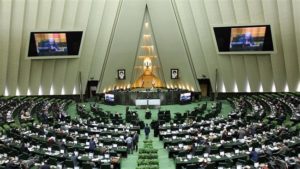
    After five years of debates, deliberations and expert consultations, on Sunday 22 September, the Islamic Consultative Assembly passed the long awaited ‘Unsupervised or Ill Supervised Children and Youth Protection Bill’ (the Bill) which legalised marriage between the child and the legal guardian. It has been passed on to the Guardian Council for its final approval. As with all Bills the process has gone through numerous consultations with the Guardian Council whose duty it is to examine conformity of all articles with Islamic criteria[1]. Although the Bill had been sent to the Guardian Council in the past, the difference this time is that all articles have been agreed upon prior to the final passing and ratification by the Islamic Consultative Assembly.

    The History

     The rules pertaining to adoption were last reviewed on 28 February 1975. In view of the fact that Iran became an Islamic Republic in 1979 and that the laws need to conform to Islamic criteria it was necessary to have new sets of laws particularly since Islamic law does not recognise adoption and instead a form of permanent legal guardianship has been developed. The 1975 Bill was silent on the question of marriage between the child and the legal guardian as was the Civil Code. There are no provisions for adoption in any form in the present Civil Code.

    On 22 February 2009 the Ahmadinejad administration presented its ‘Unsupervised or Ill Supervised Children and Youth Protection Bill’ (The Bill) to the eighth Islamic Consultative Assembly[2]. In article 24 of this Bill the legalisation of marriage between child and legal guardian was introduced for the first time. Article 24 stated that with the expert opinion of the State Welfare Organisation (Behzisty) the matter could be referred to a competent court for approval.

    The first consultation on the proposed Bill stated that the inclusion of this article would be unacceptable to the public morale and should be removed[3]. The consequent amended draft dated 29 July 2009 excluded article 24[4]. On 29 September 2009 a member of the Islamic Consultative Assembly even went a step further and suggested prohibiting any such marriage in a note to article 27[5] which was implemented and the newly amended Bill resubmitted to the Guardian Council on 13 October 2009[6]. However, the progress of the Bill was effectively halted by the Guardian Council on a technicality on 2 November 2009[7] with the last correspondence between the /Guardian Council and the eighth Assembly recorded on 17 March 2010[8].

    Following the parliamentary elections for the ninth Islamic Consultative Assembly on 2 March 2012 the Bill was rescheduled for assessment and the newly elected members resubmitted the October 2009 Bill on 24 April 2012 to the Guardian Council[9]. Expert consultation on 13 June 2012 expressed Guardian Council’s opinion on the marriage between child and the legal guardian as ‘may be in the best interest of the mature / pubescent child’ and it was recommended that the note to article 27 prohibiting the marriage should be amended to read, ‘marriage between the child and the legal guardian either during the time of guardianship or after is prohibited unless after the child has reached maturity / puberty marriage with the guardian would be in the best interest of the child. The matter should be decided after expert consultation with Behzisty by a competent court’[10]. Despite this recommendation the redrafted Bill submitted on 25 July 2012 maintained its position on the prohibition of marriage[11]. In its opinion of 15 August, among many other comments concerning the state of conformity of other articles with the Islamic criteria, the Guardian Council unequivocally stated that the prohibition of marriage between the child and the legal guardian failed to conform to Islamic criteria and so it must be removed[12].

    In keeping with the Guardian Council’s recommendations on 6 January 2013 the ‘Social Affairs Commission’ amended the Bill and presented it to the Assembly for deliberation[13]. For the first time marriage between a child and legal guardian was declared legal.

    Ratified by the Islamic Consultative Assembly on 23 February 2013 the Bill was submitted to the Guardian Council for further comment[14]. While other articles were discussed in further correspondences no changes were made to article 27 and it was not discussed again.

    The final wording of the Bill was approved and ratified by the Islamic Consultative Assembly and sent to the Guardian Council on 22 September 2013.

    Duty to Protect

    When it is not possible for a child to live with family the State become responsible for protecting the rights of that child and ensuring appropriate alternative care which would be in his/her best interest. In Islamic Republic of Iran this duty of care and responsibility is that of the Absolute Supreme Leader who has appointed the State Welfare Organisation (Behzisty) to act with his authority in this regard.

    Risk of harm to the girl child

    Based on article 5.J of the Bill single women of thirty years and above with sufficient means can also adopt a child which in itself is a positive development. However, they are limited to adopting girls only. This article read in conjunction with article 27 makes it clear that the legislator is principally talking about a marriage between an adoptive father and a girl child.

    The Family Protection Law 2013 allows two types of marriage contract, full or temporary. According to Islamic Shari’a and the Family Protection Law polygamy is legal (article 4.4, 21). According to article 1401 of the Civil Code marriage age is set at 13 for girls; yet, girls can enter into marriage contract at a younger age with the permission of a competent court. This means that based on article 27 girls as young as 9 lunar years[15] are potentially at risk.

    Girls who marry at such young age are at risk of violence, abuse and exploitation. Quiet apart from the fact that legalising marriage for girls at such young age is deeply rooted in gender discrimination the Guardian Council has disregarded the social stigma facing a young girl for being married to her father.

    As a result of this proposed harmful law the girl child will certainly face serious risk to her physical, mental and moral integrity.

    How can this marriage possibly be in the best interest of the child? The idea that the girl child can be both a daughter and a wife is morally and socially reprehensible

    The role of Behzisty

    One of the positive points of the Bill is the increased supervisory role of Behzisty. Yet, many ambiguities remain. For example, how can Behzisty ensure a girl child’s best interest in any placements when it has no way of assessing the father’s future intentions? How can Behzisty offer expert consultation on the fact that the best interest of the child is to marry her father and on what basis is Behzisty to make such recommendation to a competent court? How can Behzisty determine that a mother will offer unconditional love and care to a girl child when she thinks that she could be raising her husband’s future wife? How can Behzisty ensure that the child is being placed in the best environment possible? In effect article 27 actually invites Behzisty to collude in such marriage by offering expert consultation to the competent court.

    Right of the child to express an opinion

    As signatory to the CRC, Islamic Republic must assure the child’s right to express an opinion freely about her welfare. If a girl child is mature enough for marriage she certainly is mature enough to have an opinion about marrying her father. Her right of being provided an opportunity to be heard at the competent court deciding on her future must be ensured.

    The legislator must make clear where and how the girl child’s views about the marriage can be heard and what weight would be given to her expressed views.

    Who will protect the rights of the child in such a marriage?

    In a traditional or conventional marriage the bride’s father principally negotiates for her rights within the marriage; who will do this on behalf of the child when she is in fact marrying her father? Will Behzisty’s supervision end at the time of marriage? Who will ensure that she has access to, for example, education? Who can she turn to if she has any concerns or is being abused? She certainly will not be able to ask her legal guardians for support and protection.

    No legal impediments according to Islamic Shari’a

    It is argued that according to Shari’a there are no  legal impediment since there is no affinity or consanguinity in an adoptive relationship and any sexual relationship between a legal guardian and the girl child is not incestuous.

    In legalising such marriage the Guardian Council and 290 members of the ninth Islamic Consultative Assembly appear to be more concerned in protecting the tenets of Islamic Shari’a than the best interest of the girl child.

    The Guardian Council has to explain why when the Bill was first introduced in 2009 prohibiting such marriage categorically, its nonconformity to the Islamic Shari’a was never raised and it took them three years to make such determination. The Guardian Council in its expert recommendation of August 2012 seems to forget that the principle of adoption or legal guardianship is to benefit the child and not to gratify the wishes of the adoptive parents.

    Adoption for nefarious purposes

    Article 27 of the Bill could lead to the girl child being adopted for nefarious purposes and at risk of abuse by paedophiles. The legislator seems to disregard the fact that based on national laws as well as article 21 of CRC and all other related documents the child’s best interest is paramount in any placement. Here, instead of taking steps to criminalise any such act the Guardian Council has legalised it.

    ‘It happens already’

    It has been said that in some remote villages in Iran such marriages have taken place and by introducing the role of a competent court it will act as a deterrent.

    However, there is no provision for punishment for a man who enters into a temporary marriage contract with the girl child without the permission of a competent court.

    Furthermore, this is an objectionable argument since enforcing the prohibition of such marriage would certainly better protect the child and stop any such idea at inception.

    CONCLUSION

    The ‘Unsupervised or Ill Supervised Children and Youth Protection Bill’ has positive developments as well as other questionable or ambiguous points. Nevertheless, it is article 27 that threatens the most vulnerable in our society and must be amended to protect the best interest of the girl child.

    The society in Iran is often more progressive and advanced than the Islamic laws governing Iran. The public reaction to this article certainly demonstrates this point. Laws must be there to protect and not to legalise the abuse of the most vulnerable such as a child in desperate need of a home and a loving family. Article 27 is morally and socially deplorable.

    By punishing the perpetrator and prohibiting the marriage the best interest of the girl child will be served and will provide the child with a real opportunity of living with a loving and caring family.

    It is understood that most adoptions concern children of two years and less. In this regard the idea that a man will adopt a little girl, love and care for her as his daughter and then decide to marry her is unconscionable and deplorable. It undermines the very spirit of adoption and care for children.

    Article 27 puts Behzisty in an impossible position when assessing the best interest of the child in any placement.

    In this respect, it is the duty of the State to legislate against such unacceptable practices and educate and change culture in an effort to stop discriminatory and abusive treatment of the girl child.

    RECOMMENDATION

    • ACI recommends an amendment to the existing article by prohibiting this type of marriage.
    • ACI also recommends that efforts be made to identify victims of such harmful practice. They must be given the right to remedy and reparation.


    [1] According to article 94 of the Islamic Constitution, ‘all legislation passed by the Islamic Consultative Assembly must be sent to the Guardian Council. The Guardian Council must review it within a maximum of ten days from its receipt with a view to ensuring its compatibility with the criteria of Islam and the Constitution. If it finds the legislation incompatible, it will return it to the Assembly for review. Otherwise the legislation will be deemed enforceable’.

    /[2] Registration number 288 – 07/03/2009

    [3] Guidance serial number 9667 – 17/05/2009

    [4] Registration number 288 – 10/08/2009

    [5] Registration number 288 – 29/09/2009

    [6] Registration number 288/34852 – 13/10/2009

    [7] Ref number 88/30/36374 – 02/11/2009

    [8] Ref number 88/30/37757 – 17/03/2010

    [9] Ref number 288/4629 – 24/04/2012

    [10] Guidance serial number 24012435-3 – 13/06/2012

    [11] Ref number 10/22740 – 24/07/2012

    [12] Ref number 91/30/47840 – 15/08/2012

    [13] Registration number 10 – Ref number 61583/50/D – 06/01/2013

    [14] Ref number 10/73515 – 23/02/2013

    [15] Age of puberty according to article 1210 of the Civil Code


    The report is prepared by the ACI’s Human Rights Committee

    under the supervision of Roya Kashefi

    Contact: rk@aciiran.com

    26 September 2013

    All Rights Reserved © Association des Chercheurs Iraniens (ACI) 2013

  • SEXUAL ABUSE OF FEMALE PRISONERS CONSTITUTES TORTURE

    SEXUAL ABUSE OF FEMALE PRISONERS CONSTITUTES TORTURE

    Ref:      206/M/510

    Date:    Tuesday, 06 November 2012

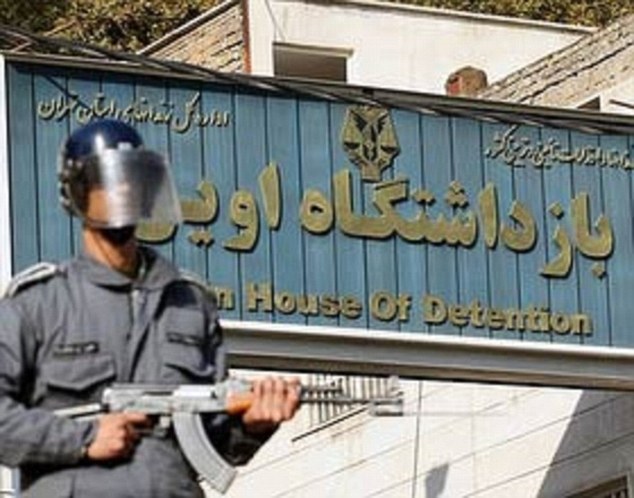
    In a letter addressed to the head of notorious Evin prison, Ali Ashraf Rostami Aghdam, thirty three female prisoners of conscience expressed their outrage at the brutality with which they were stripped and cavity searched. They state in no uncertain terms that the treatment they received and the manner in which they were searched was nothing short of sexual abuse. They have vowed never again. They assert that they will never allow such violation of their fundamental rights to happen again. In their letter they have demanded a full explanation and an apology. The incident had happened on 30 October 2012 during a raid at their confined quarters which is under strict surveillance and security cameras that monitor their every moment.

    A week has passed and the letter remains unacknowledged and unanswered. Nine women had already decided enough was enough. They had decided that the only way for them to be heard was to take their lives into their own hands and go on hunger strike. They have now been on hunger strike for six days.  Without addressing their demands, the prison authorities have threatened to revoke their limited rights. It became necessary for some to be treated at the prison’s infirmary. Yet, they are still demanding an explanation and a full apology for the unacceptable treatment they have received.

    The voice of these extraordinary women, among them human rights defenders, journalists, women’s rights activists, poet, student and translator must be heard.

    In honour of their bravery and courage in standing up for our rights even while incarcerated and in view of the fact that sexual assault is a criminal offence ACI asks the following questions:

    • As required by international standards and national laws what training have these prison guards received?
    • When was the last independent inspection of Evin prison and where is its finding?
    • Has an independent investigation of the events of 30 October 2012 been instigated?
    • Have the three named guards been suspended pending the outcome of the investigation?
    • What actions have been taken to secure the safety of the hunger strikers from further physical and psychological threats?

    Without a doubt, sexual abuse of prisoners constitutes torture prohibited by Iran’s national laws and international obligations. It is unacceptable for prisoners of conscience, already paying a high price for standing up to an unjust system, to have to risk their lives to expose torture and culture of impunity in Iran’s prisons.

    In unison with the female prisoners of conscience ACI demands a full apology, prosecution of the offending guards and guarantees that sexual violence and assaults will not be used against prisoners. ACI further asks the international community to bring pressure on the Islamic regime to ensure the physical and psychological safety of the hunger strikers and other prisoners of conscience.


    Roya Kashefi

    Head of Human Rights – ACI


    Alphabetically

    1. Mahsa Amrabadi (journalist), serving one year
    2. Jila Baniyagoub (journalist and women’s rights activist), serving one year
    3. Nazanin Dayhimi (translator and student), serving eight months
    4. Bahareh Hedayat (human rights defender and women’s rights activist), serving nine years
    5. Jila Karamzadeh-Makvandi (poet and member of Laleh Park Mourning Mothers), serving two years
    6. Shiva Nazarahari (human rights defender), serving four years and 74 lashes
    7. Hakimeh Shokri (member of ‘Laleh Park Mourning Mothers’), serving three years
    8. Nasim Soltanbeigi (journalist and student activist), serving three years
    9. Raheleh Zokaie (prisoner) serving over ten years. It has been reported that Raheleh may have broken her hunger strike.


    It should be noted that Nasrin Sotoodeh, human rights lawyer and women’s rights activist has been on hunger strike since 17 October 2012 in protest against ongoing harassment of her family and violation of her most basic human rights. On 31 October and as the women went on hunger strike Sotoodeh was hurriedly removed from her cell and is now detained in solitary confinement of Evin’s 209 Wing which is under the supervision of security and intelligence forces. Serious concern remains for her safety and well being.


  • ‘The International Day for the Right to the Truth’

    ‘The International Day for the Right to the Truth’

    Ref:     205 / M / 509

    Date:   24 March 2012

    ‘The International Day for the Right to the Truth’

    concerning Gross Human Rights Violations and for the Dignity of Victims


    24th of March 2012 marks the second ‘International Day for the Right to the Truth’.

    This day recognises the right of the families to the truth regarding the fate of their loved ones at the hands of their persecutors. It honours the memory of victims of gross and systematic human rights violations which include extra judicial or state sponsored disappearances, torture and loss of life and promotes the importance of the right to truth and justice.

    In 2010 United Nations High Commissioner of Human Rights, Navitham Pillay, stated “The right to the truth implies knowing the full and complete truth about events that transpired, their specific circumstances, and who participated in them, including knowing the circumstances in which the violations took place as well as the reasons for them.”

    While marking this day and ‘the right to truth’, ACI honours the memories of all victims of gross human rights violations in Iran of the last thirty three years.

    Without a doubt, the right to the truth about gross human rights violations and serious violations of human rights law is an inalienable and undeniable right, linked to the duty and obligation of the Islamic Republic to protect and guarantee human rights of every Iranian citizen, and that the Islamic Republic is duty bound according to its international obligations to conduct effective investigations, to guarantee effective remedyand to bring the perpetrators to justice.

    Truth will not remain hidden for long.


  •  International Women’s Day 2012  and the Family Protection Bill in Iran

     International Women’s Day 2012 and the Family Protection Bill in Iran

    Date:   8 March 2012

    International Women’s Day 2012 and the Family Protection Bill in Iran

    While the world celebrates international women’s day today Iranian women face further legalised discrimination. On 6 March 2012, the outgoing eighth Islamic Consultative Assembly (the parliament) passed articles of the [anti] Family Protection Bill that

    • allows polygamy
    • allows temporary marriage lasting from a negotiated few minutes to a number of years
    • allows girls of thirteen and younger to be married
    • remains silent on domestic violence
    • does nothing to improve the existing discriminatory laws
    • does not offer women equal rights and equitable protection of law

    Discrimination and unequal rights in general and in particular polygamy contravene the International Covenant on Civil and Political Rights (ICCPR), which the Islamic Republic remains signatory. Article 23 stipulates that states must ensure that men and women have equal rights when marrying or at the dissolution of marriage.

    On this day, we ask the international community to support the equal rights movement in Iran and condemn the use of any custom, tradition or religious consideration as an excuse for continued legalised discrimination.


    Roya Kashefi

    Human Rights Committee – ACI

  • The unveiling of “40 Tekeh”

    The unveiling of “40 Tekeh”

    Foreign Press Association, 25 Northumberland Avenue London WC2N 5AP

    Read Amnesty International interview with Roya Kashefi

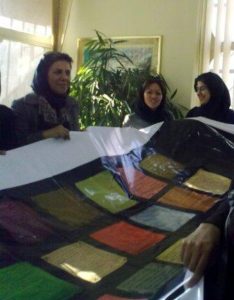
    On the occasion of the ‘International Day for the Elimination of Violence against Women, 4 x 1  meter protest banner made in Iran was unveiled by Association des Chercheurs Iraniens (ACI) in collaboration with the International Coalition Against Violence in Iran (ICAVI).

    Called “Chehel Tekeh,” the banner is supported by 15,000 names, addresses and signatures from inside Iran. It features 40 tragic stories relating to the consequences for women of the Family Protection Act which was presented to the Islamic Consultative Assembly in November last year.

    “Chehl Tekeh” will travel around Europe to raise awareness and seek support for the fight against unjust discriminatory laws against women in Iran.

  • Lake Oroumieh: urgent environmental crisis unfolding in North West of Iran

    Lake Oroumieh: urgent environmental crisis unfolding in North West of Iran

    Ref:    201 / M / 501

    Date:  Tuesday, 30 August 2011

    HE Ban Ki-Moon

    UN Secretary General

    UN – New York


    Your Excellency,


    I would like to draw your attention to an urgent environmental crisis unfolding in North West of Iran with national, regional and global consequences.


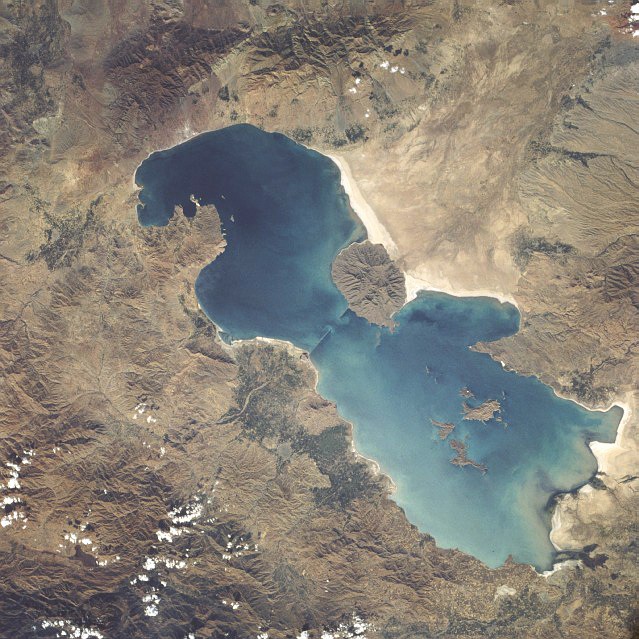
    Lake Oroumieh, the world’s third largest salt lake and a UNESCO Biosphere Reserve, is drying up at an alarming rate due to drought, misguided irrigation policies, development and the irresponsible damming of rivers that feed it.

    Mentioned as early as 9th century BC in Assyrian text, the lake serves as a natural divide between the major cities of Oroumieh and Tabriz in the provinces of East and West Azerbaijan:

    • A major tourist attraction and national park, its wetlands are listed in the Ramsar Convention (number 38 – 23 June 1975);
    • It holds 31 billion cubic meters of water with a catchments area of 51876 square kilometres;
    • Its endangered birds, flora and fauna are listed by IUCN and WWF;
    • Its 102 rocky islands are home to migrating birds
    • 27 types of mammals, 212 types of birds, 41 types of reptiles, 7 types of amphibians and 26 types of fish inhabit the Lake’s ecological areas

    The “wise use” concept at the heart of Ramsar Convention is the conservation and sustainable use of wetlands and their resources, for the benefit of humankind. However, in Iran today there are threats of serious and irreversible damage to Lake Oroumieh, with no real measures to prevent the human and environmental degradation.

    Since early 1990s decision makers have not been accountable for policies that have created the present day crisis. In the recent months environmental activists and ordinary members of public who have protested against these erroneous policies have been arrested and detained in an effort to silence the protest. Arrests of over 300 people in the last few days is quickly turning an environmental issue into a human rights crisis whereby the right to peaceful protest is violated and individuals are arrested and detained arbitrarily.

    Your Excellency, it is of utmost importance that the international community hears of the looming catastrophe that could result in a ‘salt tsunami’ far exceeding the borders of Iran and affecting not just the lives and livelihood of people around Lake Oroumieh’s catchment area but millions of people in the region.

    ACI asks that an investigative group visits the region urgently and action is taken to prevent a human and environmental catastrophe.

    Respectfully


    Dr Hossein Ladjevardi

    President – ACI


  • Protest Against Executions in Iran

    Ref:     173/M/386

    Date:   Sunday, 09 May 2010


    His Excellency Ban Ki Moon

    Secretary General of the United Nations


    Dear Secretary General,

    Escalation of Executions in Iran

    letter in pdf

    We write to register our strongest protest at the increasing number of executions in Iran. Among the five executed this morning[i] three had their cases open and under review. While in detention they were repeatedly tortured, ill treated and degraded and deprived of the most basic right of legal counsel. No one including their lawyers and families had any knowledge of their impending executions. The condition under which they passed the last night of their lives is not yet known. It is obvious however, that they were not even allowed a final farewell with their loved ones. Earlier letters from prison, from those executed this morning, told of the atrocious conditions they had to endure while their fate was being decided in the so called courts of justice.

    Justice in Iran today, however, is not only blind but deaf and dumb. Blind to see the marks of torture and abuses of law, deaf to the cries of the families and all concerned and dumb unable to speak out about the atrocities committed in its courts, detention centres and prisons under the name of ‘Islamic justice’.

    At least 388 people were executed in 2009 including minors and juvenile offenders. According to Amnesty International reports the annual number of executions has almost quadrupled since 2005. As was most apparent during the show trials of summer 2009, none of those executed received fair trials. For your information, as well as 131 juvenile offenders, the ‘Be our Voice’ anti execution campaign[ii] has identified 22 Kurds, 6 Baluchis, 1 Iranian Arab and 14 individuals in Tehran who remain at the imminent risk of execution.

    We, the undersigned, believe that all Iranians without distinction of any kind, such as race, colour, sex, language, religion, political or other opinion, national or social origin, property, birth or other status are equal and for this reason we condemn all cases of execution throughout Iran and commit to full and mutual support for each other.

    We also express our grave concern for all those who remain in detention after the June 2009 presidential election under pressure to accept false charges that potentially carry the death penalty as ultimate punishment.

    Sir, we expect you to demand that Special Rapporteurs are allowed to travel to Iran. We also expect your strongest protest and unequivocal condemnations of the shameful use of execution as a tool of intimidation and oppression. May we respectfully remind you, Sir, that the United Nations as the name implies is the protector of the world’s people and not their governments and that you as the symbol of United Nations ideals and a spokesperson for the interests of the world’s peoples are obliged to condemn in no uncertain terms the violations of a regime that fails to observe even its own limited procedural code.


    Hossein Ladjevardi

    President – AC


    [i] Farzad Kamangar, Farhad Vakili, Ali Haydarian, Mehdi Eslamian and Shirin Alam Houie were executed this morning

    [ii] http://www.aciiran.com/against_execution_in_iran.htm

  • Islamic Republic and membership of CSW

    Islamic Republic and membership of CSW

    Date:  Tuesday, 27 April 2010

    Ref:    172/M/384

    His Excellency Hamidon Ali

    President of ECOSOC

    UN – NY


    Your Excellency,

    Islamic Republic and membership of CSW

    We are writing to express our grave concern at the news that the Islamic Republic may be joining the Commission on the Status of Woman.

    With respect Sir, this is a warning to a Commission whose function and duty is to ensure gender equality and advancement of women globally based on universal values of human rights.

    As far as the struggle for gender equality is concerned there is nothing new to the well established fact that religion, tradition and cultural identity cannot be used as an excuse for violation of universal rights accorded in international standards.

    If taken to its extreme, as is the case in Iran, the argument that human rights are culturally relative rather than universal leads to legal and institutional discrimination based on gender and religion.

    While violence and discrimination against women is not exclusive to the Islamic Republic there is perhaps one difference, the will to improve the situation. As you well know Sir, other Muslim states at least show willingness to improve the situation by for example ratifying CEDAW albeit conditionally.

    However, while representatives of the Islamic Republic have been lobbying and negotiating to secure their position in the Commission, the members of Islamic Consultative Assembly in Iran have been debating a so called ‘Family Protection Bill’ that will legalise polygamy on application to court without even the knowledge of the first wife.

    Islamic Republic’s application to join CSW is an outright abuse of the UN system and utter contempt for universal values of equality and justice for which many human rights defenders are in detention in Iran today.

    In view of the fact that the universality of human rights has been clearly established and recognized in international law; that human rights are emphasized among the purposes of the United Nations as proclaimed in its Charter, which states that human rights are “for all without distinction” and that these rights are further established by the two international covenants – ICESCR and ICCPR – we look forward to the day when Islamic Republic is brought to account for its discriminatory treatment of women in its laws and policies and that politics do not get in the way of defending the status of women in Iran.

    Respectfully


    Dr Hossein Ladjevardi

    President – ACI

  • صدای هم باشیم


    کمپین علیه هرگونه مجازات اعدام در ایران

     دانلود پی دی اف

    پنجشنبه هشتم بهمن ماه 1388، مرد جوانی در ایران اعدام شد. در زمان وقوع جرائم انتصابی او بیشتر از 16 – 17 سال نمی توانسته داشته باشد. به این معنی او یکی دیگر از قربانیان سیاسی اعدامهای زیر 18 سال بود. اعترافات او زیر فشار و تهدید و در حالیکه خواهر باردارش در اطاق بازجوئی و در حضور او تهدید می شد گرفته شده بود . بچه ایکه بعد ها بدلیل همین فشار ها از میان رفت . او دو ماه قبل از انتخابات دستگیر، ولی با قول و وعده هائی که به او داده شده بود و با هماهنگی و به این امید که حکم سبکتری بگیرد خواست های حکومت را پذیرفته بود. او در سلول کوچک خود هر شب مطالب روز بعد را برای دادگاه های نمایشی بعد از انتخابات تمرین می کرد. دادگاهی که وکیل مدافع او اگر پافشاری بر دفاع از موکلش می کرد خود نیز دستگیر می شد . آرش رحمانی پور در روز اعدامش فقط 20 سال داشت.

      محمد رضا علی زمانی در انتهای طناب دار دیگری در کنار آرش رحمانی پور به رقص مرگ مشغول بود. سرنوشت او هم مشابه آرش بود. او هم دو ماه قبل از انتخابات بازداشت شده بود. هم سلولیش می گوید محمد رضا از اتفاقات بعد از انتخابات از من سوال می کرد چون هیچگونه اطلاعی خارج از چهاردیواری زندان نمی داشت. هم بندی محمد رضا همچنین می گوید که هر روزه اورا برای تمرین نقشش در دادگاههای نمایشی از سلول خارج می کردند. به محمد رضا علی زمانی هم قول و وعده حکم سبک تری را داده بودند، بشرط آنکه ایفای نقش خود را به بهترین نحو به انجام برساند. بر خلاف قوانین جمهوری اسلامی و آئین دادرسی این دو نفر که به جرم محاربه محکوم به مرگ شده بودند در حالی اعدام شدند که پرونده اشان در دیوان عالی کشور در دست بررسی مجدد بود و حتی کلامی هم با آنها، خانواده هایشان و یا وکلایشان درباره اعدام قریب الوقوشان صحبت نشده بود. از خبر وحشتناک اعدام این دو نفر، خانواده ها و وکلایاشان همزمان با دیگران از طریق اخبار رسانه ها آگاه شدند. دنیا این دو اعدام را به شدت محکوم کرد.

    ما امضاء کنندگان زیر نگرانی جدی خود را از نقض مستمر حقوق انسانی بازداشت شدگان قبل و بعد از انتخابات 1388، تشدید استفاده از خشونت علیه تظاهرکنندگان و زندانیان و خطر جدی اعدام 9 نفری که حکم شان تایید شده و 5 نفر دیگری که به اتهام محاربه در دادگاه های نمایشی به اعتراف مشغولند را اعلام می داریم. با محکوم کردن حکم اعدام به عنوان مجازات بدون در نظر گرفتن اینکه بر اساس قوانین شریعه صادر شده باشد و یا غیره، ما نگرانی شدید خود را برای تهدید واقعی اعدام برای 7 نفر عضو بازداشتی کمیته گزارشگران حقوق بشر خاصه کوهیار گودرزی و مهرداد رحیمی دو فعال حقوق بشر که متهم به محاربه شده اند را اعلام می داریم. ما همچنین برای سرنوشت بازداشت شدگان جامعه بهائی و خطر واقعی اعدام که آنها را نیز تهدید می کند نگرانی خود را اعلام می داریم.

      از آنجاییکه ما امضا کنندگان زیر معتقد هستیم که تمامی ما ایرانیان نقاط مختلف ایران بی هیچ گونه تمایزی، به ویژه از حیث نژاد، رنگ، جنس، زبان، دین و با هر عقیده و مرام و مسلکی که داریم با هم برابر هستیم، اگر در هر کجای ایران چوبه داری بر پا شود بی هیچگونه قید و شرطی آنرا محکوم می کنیم و تعهد می دهیم که با استفاده از تمامی توان خود از همدیگر حمایت متقابل خواهیم کرد.

     ما امضا کنندگان زیر از تمامی افراد، گروهها، سازمان ها، احزاب و تمامی فعالان و نهادهای حقوق بشری ایرانی و خارجی در سراسر جهان دعوت میکنیم تا با امضای این بیانیه صدای ایرانیان داخل ایران باشند که هر روزه زیر سرکوب حکومت جمهوری اسلامی قرار دارند و فریادرسی ندارند. ما باید بتوانیم با استفاده از امکانات و ارتباطات بین المللی در راستای جلوگيری از اعدام و سرکوب گسترده در ايران اقدام و به حمایت متقابل از یکدیگر برخیزیم.

    به امید اینکه ما صدای هم باشیم …


    امضا کنید:

    http://gopetition.com/online/32775.html

    or email:      london [at] aciiran [dot] com