As the guns fall silent in the region, a deeper and quieter violence threatens to escalate within Iran.
Even as ceasefire announcements are made, for the Iranian people, the danger is far from over. There is growing concern that the Islamic Republic will use this moment not to de-escalate repression but to reassert control – spinning the ceasefire as a victory and seizing the opportunity to further crush dissent.
While regional leaders and global powers – whether in Tehran, Tel Aviv, or Washington – have too often pursued war with reckless disregard for human lives, it is the Iranian people who now face a dangerous intensification of repression under the cover of ceasefire.
We have already witnessed signs of a new crackdown. The internet remains cut off across much of the country, isolating citizens from the outside world. The systematic and ongoing disruption of internet services constitutes a violation of Article 19 of the International Covenant on Civil and Political Rights (ICCPR), to which Iran is a signatory. This blackout intentionally creates an information vacuum to conceal state actions.
Behind this digital silence, reports continue to surface of mass arrests, disappearances, and accelerated executions under vague “national security” charges. These actions violate due process standards (ICCPR, Article 14) and create a climate of terror in an already volatile situation.
With no free domestic press and almost no foreign press permitted, Iran is operating in complete opacity – under emergency rule, without scrutiny, and without accountability.
We issue this statement out of urgent concern for the lives and safety of Iranians – particularly civil society actors, political prisoners, and members of marginalised communities – who are at even greater risk in the post-ceasefire environment.
While the full terms of the ceasefire remain unclear, we must raise a red flag: any unconditional sanctions relief – especially relating to Iran’s nuclear programme – without enforceable commitments to the observance of human rights and civil liberties pose a grave moral and strategic hazard.
It will directly finance and embolden the very security apparatus – the IRGC and Basij – responsible for systematic rights violations. The structural weaknesses exposed since the Woman, Life, Freedom uprising risk being erased in the name of geopolitical reconciliation and appeasement.
Any negotiation that strengthens the regime without demanding accountability only emboldens state violence.
We call on the international community – particularly the United nations, United States and the EU – to:
Demand the immediate restoration of internet access and freedom of communication for the Iranian people;
Insist on access for independent monitors to places of detention, and an end to unscheduled executions and emergency legal proceedings;
Ensure no sanctions relief or diplomatic normalisation proceeds without parallel, enforceable benchmarks for civil liberties, including the release of political prisoners and an end to gender-based persecution;
Support Iranian civil society, particularly journalists, lawyers, and women’s rights defenders, through technical, financial, and political assistance.
This is a pivotal moment. The Iranian people’s struggle for fundamental freedoms must not be sacrificed for the illusion of regional stability.
The world must not mistake an imposed, fearful silence for genuine peace.
Statement by the Association des Chercheurs Iraniens
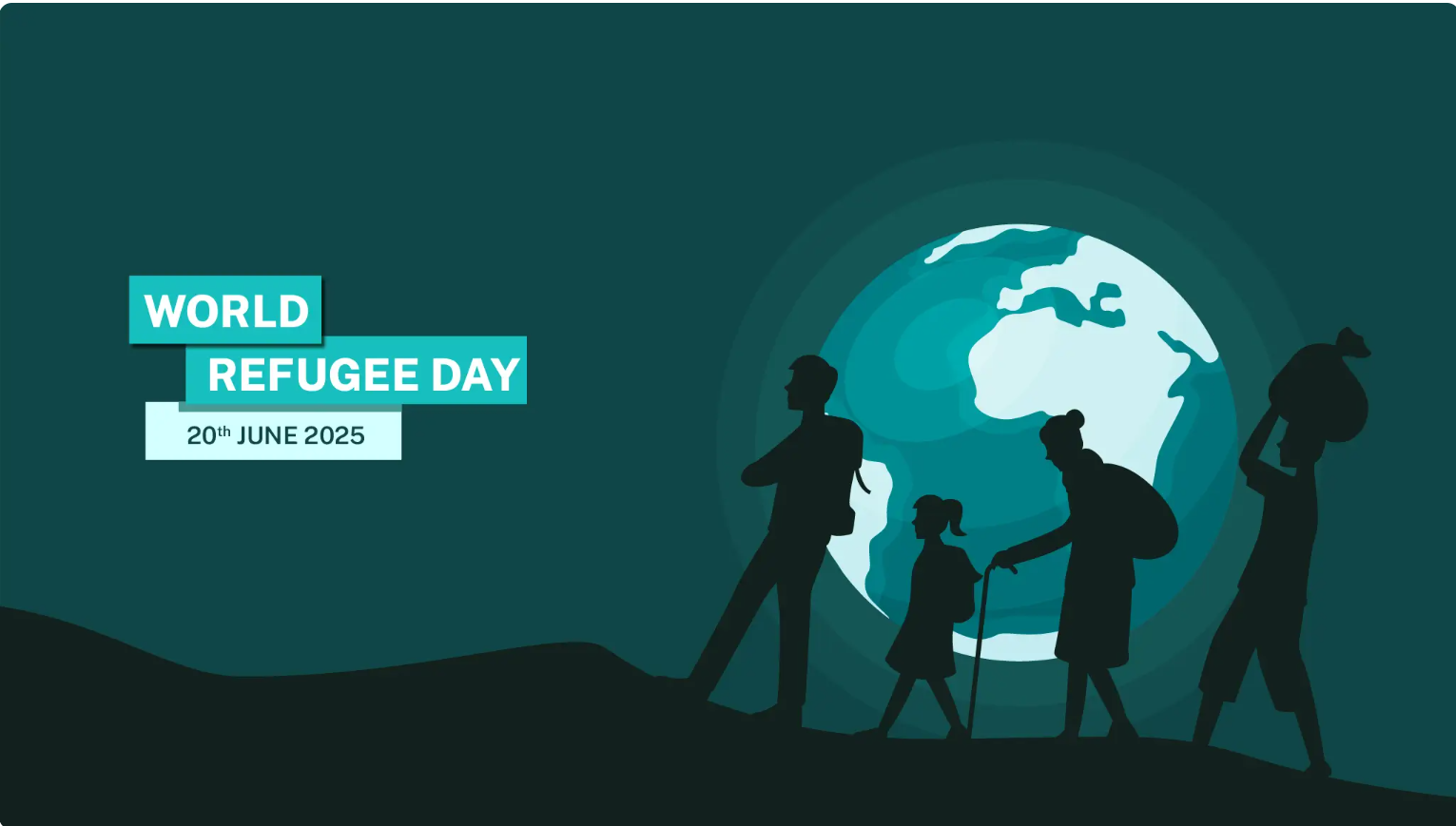
20 June 2025 – World Refugee Day & Day of Solidarity with Political Prisoners
Today, as the international community marks World Refugee Day and the Day of Solidarity with Political Prisoners, we are reminded that in the Islamic Republic of Iran, exile and imprisonment are not accidents of fate — they are instruments of state repression.
For nearly half a century, the Islamic Republic has waged a sustained campaign of ideological, political, and social persecution. This has produced one of the largest displaced populations in the world. Near 9 million Iranians live in exile — a staggering figure for a nation of some 90 million. Few families in Iran remain untouched by displacement; few Iranians abroad are untouched by the pain of separation, statelessness, or surveillance.
“Today, the machinery of oppression continues to grind on. Even amid a worsening regional crisis, Iran’s rulers are not easing their grip — they are tightening it. We are receiving reports of a total internet blackout in parts of the country, which has severed communication between families and cut off the world’s access to unfolding events inside Iran. We fear this is not merely a security measure, but a deliberate attempt to conceal mass arrests, enforced disappearances, and further human rights violations.”
Our concern is heightened by alarming recent developments. In Kermanshah’s Dizel Abad prison, at least ten prisoners were shot dead — reportedly for protesting conditions. Human rights defenders and activists are being arrested in waves. We are hearing of unscheduled and expedited executions on vague national security charges. With no access to legal representation, no independent oversight, and no press freedom, Iran’s prisons are becoming execution chambers in the shadows.
Meanwhile, we note a growing number of refugees at the Iran-Turkey border, with reports suggesting a new wave of displacement is already underway — a tragic but predictable outcome of repression, economic desperation, and rising insecurity.
On this World Refugee Day, and this Day of Solidarity with Political Prisoners, we issue this call:
To the international community: Recognise the scale and urgency of Iran’s human rights crisis. Offer protection and support to Iranian refugees and asylum seekers, and hold the Iranian authorities accountable for the treatment of prisoners.
To international media: Do not allow Iran’s internet blackout to render its people invisible.
To the Iranian diaspora: Continue to raise your voices for those silenced, and work in solidarity to protect those forced into exile or kept behind bars.
Displacement and imprisonment are two faces of the same brutal regime. We stand in solidarity with all those forced from their homes, and with all those behind bars for daring to speak, resist, or simply survive with dignity.
Issued by: Association des Chercheurs Iraniens (ACI) Date: June 2025
The Association des Chercheurs Iraniens (ACI) urgently calls on the international community to take immediate steps to hold the Islamic Republic of Iran accountable for its escalating use of internet shutdowns and digital censorship. In the context of intensifying military conflict and rising civilian casualties, recent blanket restrictions on internet access appear designed not merely for “security” purposes, but to conceal widespread repression, arrests, and grave human rights violations.
In a testimony received from a lawyer inside Iran, the internet blackout has been described as an attempt to “hide a humanitarian catastrophe in progress.” The lawyer refers to this act as a “white crime”—a silent, undocumented form of violence enabled by digital isolation. According to the statement, the current shutdown:
Obstructs access to life-saving information, including alerts and humanitarian aid
Blocks communication with families and human rights organisations
Prevents documentation of arbitrary arrests, raids, and potential war crimes
Undermines transparency, justice, and the rule of law
The Islamic Republic has provided no legal justification or public explanation for the shutdown, despite Iranian law requiring formal authorisation for such actions. Security agencies have reportedly imposed this digital blackout without accountability or judicial oversight. In addition, lawyers, human rights defenders, and civil society actors are being arrested or silenced, further heightening concerns that the blackout is a tool for hiding a crackdown.
ACI warns that without internet access, evidence of abuses—including extrajudicial detentions, torture, or attacks on civilians—will go unreported and uninvestigated. This includes the risk of obscuring potential war crimes committed by external actors amid the ongoing conflict.
We call on the international community to:
Publicly condemn Iran’s internet shutdown as part of its broader repression infrastructure
Recognise digital censorship as a human rights violation, and not merely a technical or security matter
Use diplomatic and legal mechanisms to pressure Iranian authorities to restore full, uncensored access
Ensure that international agencies and rapporteurs can receive, verify, and preserve documentation from within Iran despite these restrictions
The international community must not remain silent in the face of this blackout. To ignore these shutdowns is to ignore the abuses they are designed to conceal.
Issued by: Association des Chercheurs Iraniens (ACI) Date: June 18, 2025
Executive Summary
For almost half a century, the Islamic Republic has held the Iranian people hostage under the weight of religious dictatorship. Through its reckless and adventurist foreign policy, it has now endangered not only the people of Iran but also the future of its youth and the country’s ability to recover and rebuild. This war now serves the strategic interests of Israel and the United States on one side, and the Islamic Republic on the other—focused solely on the regime’s survival. No party in this war is fighting for the rights and interests of the Iranian people, who find themselves alone, exposed, and unprotected.
The recent escalation of hostilities between Iran and Israel has pushed the region to the brink of humanitarian and environmental catastrophe. Airstrikes targeting Iran’s nuclear and energy infrastructure, including enrichment facilities and refineries, have heightened global fears of radiological disaster and destabilised already fragile energy markets. Over 200 Iranians and dozens of Israelis have lost their lives, and the threat of a nuclear incident remains alarmingly real.
ACI firmly warns against any attempt to exploit this moment to impose regime change through force. Lasting peace and democratic stability in Iran cannot be manufactured externally. Only a transition led by the Iranian people, rooted in equity, justice, and transitional accountability, can deliver sustainable outcomes. The cost of rebuilding Iran is rising exponentially with every passing day of war. The path to regional stability lies not in bombs but in building a democratic and prosperous Iran shaped by its own citizens.
Part I: The Dangers of Imposed Regime Change
Historical evidence consistently shows that externally imposed regime change—especially through military force—fails to create democratic or stable societies. Iraq, Libya, and Afghanistan stand as cautionary examples where foreign intervention dismantled existing state structures without establishing legitimate alternatives. In each case, the aftermath included prolonged violence, authoritarian relapse, and deepened societal fractures.
Scholarly research confirms that forced democratisation leads to fragile and externally dependent political systems. “Pacted transitions”—where internal actors negotiate a peaceful power shift—have been far more successful in building inclusive and resilient democracies.
Part II: A Viable Alternative – Peaceful, People-Led Democratic Transition
Iran possesses the core societal elements required for such a transition. As a highly literate and digitally connected society, with a legacy of peaceful civic protest movements (notably the Green Movement and “Woman, Life, Freedom”), Iran has demonstrated a homegrown commitment to democratic change. ACI’s 2024 nationwide survey, Woman Life Freedom – An Assessment of Identity Trends and Today and Tomorrow of Iran, revealed:
A sharp decline in religious identification, with a parallel rise in national and ethnic identities.
Widespread public disillusionment with the political system and perceptions of oligarchic rule.
Deep concerns about economic insecurity and gender discrimination.
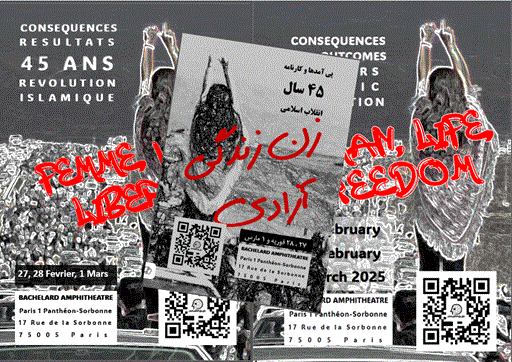
The survey clearly showed the Iranian public’s aspiration for a just, democratic, and inclusive future. The Sorbonne conference of February 2025 further reinforced the necessity of rebuilding Iran on foundations of equality and pluralism, free from sectarianism and systemic exclusion.
Yet this movement toward democratic transition has been severely disrupted by the current war. The longer the conflict persists, the more the foundations for democracy in Iran are damaged—from the loss of life and destruction of infrastructure, to the erosion of hope among a population that had already endured decades of repression. The direct and indirect costs—including healthcare collapse, elderly deaths due to lack of access, and the potential for a flow of refugees—threaten to turn Iran into a failed state, repeating the mistakes seen in Iraq and Libya.
Part III: The Consequences of the Current Conflict
Nuclear Risk: Israeli strikes on facilities at Natanz and Isfahan, as confirmed by the IAEA, constitute a direct violation of international legal norms (Geneva Protocol I, Article 56). Though no radiological release has been confirmed, the risk of catastrophic fallout is real and transboundary. Lessons from Chernobyl and Fukushima underscore the grave consequences of nuclear contamination for health, environment, and human rights.
Energy Market Disruption: Oil prices surged up to 13% following attacks on Iranian refineries and the South Pars gas field. Iran’s role in global energy markets, particularly through the Strait of Hormuz, remains critical. Continued instability threatens to inflate prices further, impacting global inflation and food security.
Humanitarian Emergency: Over 220 civilians have been killed in Iran, with over 1,000 wounded. Missile strikes have led to internal displacement and severe fuel shortages. In Israel, over 20 people have died, with hundreds more injured. The conflict risks triggering a wider regional displacement crisis.
Regional and Geopolitical Fallout: With Iran’s internal institutions under attack and no consensus among oppositional forces, the risk of post-conflict fragmentation is high. In such a vacuum, actors like Russia may step in to protect strategic interests, interfering with any future rebuilding process and undermining the democratic aspirations of the Iranian people.
Part IV: Strategic Recommendations
Immediate Ceasefire and Nuclear Non-Attack Commitment The EU, UN, and major powers must demand an immediate ceasefire and secure public reaffirmation from all sides of the absolute prohibition on attacks against nuclear infrastructure, in line with IAEA resolutions and international law on humanitarian and environmental grounds.
Diplomatic Off-Ramps Encourage quiet diplomacy involving neutral third parties (e.g. Switzerland, UN envoy, IAEA Director General) to reduce tensions, set red lines, and build a negotiation framework.
Support for Internally-Led Democratic Transition Publicly reject any military solution or externally imposed leadership. Support Iranian civil society efforts to build a peaceful, inclusive political future. Amplify findings from the 2024 ACI survey and the Sorbonne conference in international forums.
Maritime and Civilian Protection Increase real-time monitoring of maritime traffic through the Strait of Hormuz. Deconflict civilian airspace to avoid accidental casualties. Provide protection guarantees for humanitarian actors.
Humanitarian Aid and Accountability Mechanisms Deploy ICRC and UN agencies with safe humanitarian corridors. Ensure independent investigations into potential violations of international humanitarian law, including civilian targeting and infrastructure destruction.
Conclusion
Peace in Iran cannot be dropped from drones or built through bombs. It must be cultivated by the people of Iran, supported by international law, and underpinned by a commitment to justice, equity, and democratic renewal. The cost of this war is not only in lives lost today, but in opportunities destroyed for tomorrow. Every day it continues, it inflicts damage not just on infrastructure but on the possibility of a democratic Iran. The international community must act not only to de-escalate the present crisis, but to preserve the vision of a free and fair future for all Iranians.
Contact: Association des Chercheurs Iraniens (ACI) | aci@aciiran.com
Open Letter: Iran’s People Deserve Peace — Not Bombs, Not Dictators
From Dr Hossein Ladjevardi, President
Association des Chercheurs Iraniens (ACI)
Paris, June 18, 2025
The war between Iran and Israel is not a war for democracy. It is not a war for justice. It is a war that serves the strategic interests of foreign powers—Israel and the United States on one side, and the Islamic Republic’s regime on the other, which clings to survival by endangering its own people. The Iranian public, already battered by decades of repression, now finds itself alone, exposed, and unprotected.
We urge the international community to reject any approach that seeks regime change through bombs. Democracy cannot be dropped from the sky. The future of Iran must be built by its own people—through peaceful transition, not external imposition.
Over 220 civilians have already been killed in Iran. More than 1,000 have been injured. Critical energy and nuclear infrastructure have been bombed, prompting warnings from the IAEA about the risk of radiological disaster. Prices have surged. Fuel shortages have begun. And still, no one speaks for the Iranian people.
For almost half a century, the Islamic Republic has held Iranians hostage to authoritarian rule. Now, through its reckless foreign policy, it has dragged the country into a catastrophic war. And still, no political force inside or outside Iran seems prepared to speak for the people’s rights—the right to live in peace, to vote, to speak, to rebuild.
Recent research by the Association des Chercheurs Iraniens—drawing on a major public opinion survey—shows that the Iranian people overwhelmingly desire democracy, equality, and a future free from sectarian rule. The “Woman, Life, Freedom” movement was not a foreign project—it was an organic, courageous demand for justice from within Iranian society.
That future is now at risk. The cost of rebuilding Iran—already devastated by decades of corruption and sanctions—is rising with each bomb dropped. If the war continues, Iran may spiral into collapse: fragmented opposition, failed institutions, and a refugee crisis that will touch not just Iran but Europe and the wider region. Already, geopolitical players like Russia are preparing to fill the post-conflict vacuum.
We call on the EU, the UN, and all governments committed to peace to:
Demand an immediate and unconditional ceasefire
Uphold the principle of non-attack on nuclear infrastructure on humanitarian and environmental grounds
Protect humanitarian space and allow for civilian evacuations and aid
Reject externally imposed regime change and support peaceful, people-led transition
Elevate Iranian civil society voices, not warlords or exiled elites
The people of Iran are ready to build their democratic future. What they need is protection—not occupation. Respect—not bombs. And the chance to shape their own future.
As the world commemorates the 76th Human Rights Day, we, as Iranians, face this moment with grave concern and uncertainty about our nation’s future. The theme this year calls us to act with urgency—and for Iranians, this call could not be more vital.
“Human rights have a preventative role: By defending human rights, we can prevent harm before it happens.”
Yet, in Iran, harm is not just a possibility; it is an everyday reality. The Islamic Consultative Assembly recently advanced the so-called “Family Protection Law through the promotion of chastity and hejab,” a measure that openly threatens the safety, liberty, and lives of Iranian women and children. Rather than preventing harm, these laws enshrine it in the name of control and oppression.
“Human rights have a protective role: They shield against abuses, ensuring dignity and respect for all.”
Iran’s theocratic legal system does the opposite—it legitimises and perpetuates systemic discrimination on the basis of gender and religion. These are not protections; they are mechanisms of subjugation that rob every Iranian of their fundamental rights and freedoms.
“Human rights have a transformative role: They are a powerful force for good.”
With the ‘Woman Life Freedom’ movement over the past two and a half years, Iranians—both within and beyond the nation’s borders—have spoken loud and clear. In the face of brutal oppression, they have risked and even sacrificed their lives for a future defined by freedom, justice, and equality. Their unwavering resistance embodies the transformative power of human rights in action.
Today, as Iranians, we join the world in celebrating Human Rights Day with steadfast hope for a brighter future. We dream of a nation where every individual, regardless of gender, belief, or identity, can live with dignity, respect, and equality.
But hope alone is not enough. To realise this vision, we need the international community to stand with us, amplify our voices, and hold the Iranian regime accountable for its violations. Together, we can ensure that the universal promise of human rights is not just a slogan but a lived reality—for Iran, and for all.
This Human Rights Day, let us declare boldly: Our rights are non-negotiable, our future is worth fighting for, and the time to act is now.
An Assessment of Identity Trends and Today and Tomorrow of Iran
Full findings of the survey is available. Please contact is ‘survey (@) aciiran.com’
Key Findings
The survey titled “Woman Life Freedom” – An Assessment of Identity Trends and Today and Tomorrow of Iran provides a clear picture of the fundamental shifts in beliefs, identities, and attitudes within Iranian society. Conducted online over a 21-day period from February 1 to 22, 2024, the survey garnered 1881 responses from both within and outside of Iran.
Key findings from the survey include:
A significant decline in religious beliefs: This decline indicates a shift from religious identity towards other identities such as national and ethnic identity.
Strengthening of national and ethnic identities: The majority of respondents rooted their identities in Iran’s history and culture, placing less emphasis on religious identity.
A crisis of legitimacy: The political system faces a crisis of legitimacy as a result of widespread public distrust and perceptions of undemocratic governance.
Oligarchic tendencies: The data suggests a strong belief among the respondents that the political system is characterized by oligarchic tendencies, with power concentrated in the hands of a few.
Structural inequalities and insecurity: Respondents reported widespread experiences of discrimination, particularly against women, as well as significant concerns about economic and job security, suggesting underlying structural inequalities.
Given the widespread dissatisfaction, perceptions of injustice, and discrimination revealed in the survey’s comparative analysis, the emergence of a grassroots movement such as ‘Woman, Life, Freedom’ was not unexpected. The courage demonstrated by young people and women in the face of severe repression during street protests garnered significant and unprecedented international attention within the first few months.
Our findings indicate that the ‘Woman, Life, Freedom’ movement has faced significant challenges, including severe repression, economic constraints, and a lack of a cohesive structure. Social media has played a pivotal role in mobilizing the public and disseminating information. To strengthen the movement and achieve its goals, there is a need for a unified structure, increased coordination among domestic and international activists, a clear vision for the future, and sustained international support
Conclusion:
The survey results indicate that Iranian society is undergoing a transition towards a more modern and democratic society. The internet and social media play a pivotal role in facilitating communication and providing free access to information. Civil society has a crucial role to play in this transition and should strive to achieve this goal through sustained planning and effort.
Recommendations for International Action:
Based on the survey findings that reveal increasing dissatisfaction and widespread distrust of the political system, and aiming to support the aspirations of the Iranian people, given the crucial role of the internet and social media in facilitating peaceful dialogue between Iranians and the international community, the following requests can be made to the international community:
Support for unrestricted internet access: Assisting in circumventing internet filtering and providing secure infrastructure.
Targeted sanctions: Imposing targeted sanctions on officials and institutions responsible for human rights abuses in Iran.
Human rights protection:
Establishing international mechanisms to monitor the human rights situation in Iran.
Support for victims and survivors of state violence:
Providing humanitarian assistance to victims and survivors.
Supporting asylum seekers, refugees and displaced persons.
Establishing mechanisms to protect witnesses.
Support for civil society:
Support organizations and activists working for democratic change in Iran.
Establish funds to provide financial assistance to the families of those imprisoned or on strike.
Promote the development of independent media and freedom of expression.
Advocate for the release of political prisoners and the respect for human rights.
Condemnation of censorship and repression: Issuing condemnatory statements, sanctioning companies producing censorship equipment, and supporting journalists and civil activists.
In view of the increased number of executions in Iran on drugs related charges this year alone, our forthcoming conference will focus of the role and responsibility of the international community:
How is the international community and the UN agencies resolving the use of the death penalty and lashes as punishments – even for addicts – with United Nations standards and international best practice?
How is the international community and the UNODC resolving the contradictions between cooperation with the IRGC and the regime with the fact that IRGC is complicit in international organised crime and drugs trafficking?
How is the international community and the UNODC resolving the increased numbers of arrests, detentions, torture and ill treatment and unfair biased trials for protestors in the last year with UN standards and international best practice?
What is the role and responsibility of the international community when the State not only fails to protect the safety and security of its people but, poisons, maims, kills and executes its people?
Iran has the highest rate of executions per capita, and the numbers are increasing at an alarming rate. In keeping with ACI’s aims and objectives of finding solutions and building a better future for Iran, ACI has undertaken a series of studies and surveys to find out how the death penalty can be abolished in Iran. Key questions to consider include:
International obligations and Human rights standards vs. national laws;
Can the death penalty be abolished in view of the present-day religious and ideological laws in Iran;
Qesas, the law of retribution;
‘Serious crimes’ or ‘exceptional circumstances’;
Alternative punishments for worst offenders;
Executions as deterrents;
Victim’s rights vs. community rights;
Possible execution of innocent persons;
The use of the death penalty as a tool of intimidation, oppression and control;
Due process and prison conditions for death row inmates
The recurring question to be examined at all conferences concerns public opinion and the role and responsibility of mass media:
The role and impact of traditional mass media vs. social media;
The role of social media in improving community cohesion;
The policy impact of media reporting and media bias;
The dynamics between the mass media and special interest groups;
The issues behind media financing;
An independent media with a diversity of views;
The relationship between mass media and power
The Conference Series
To date, one internet survey and three conferences have been undertaken with a further conference proposed in the near future.
All conferences are live streamed and the films of past conferences are available on ACI’s YouTube channel. Presented papers are published in a book available from any of ACI’s offices.
The Regime’s Instability and the Deployment of Violence and Executions
5/6 December 2009 – Cologne, Germany
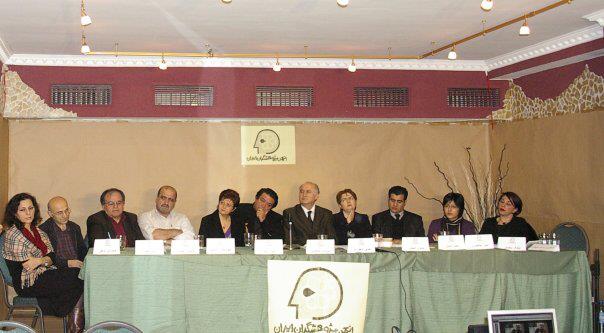
Following the disputed presidential elections in Iran and in view of the widespread deployment of violence, intimidation, rape, imprisonment and the ultimate cruel, inhuman and degrading punishment ‘the death penalty’, ACI organised an emergency conference in Cologne-Germany with the aim of reaching a coordinated and concerted effort in opposing and working towards abolishing the death penalty in Iran, in all cases, regardless of the nature of the crime, the characteristics of the offender, or the method used by the regime to kill the prisoner. The following key issues were examined:
The sociological aspect of the use of the death penalty
Human rights: the violation of fundamental rights in Iran
The use of violence and the death penalty against Iran’s ethnic groups
The use of violence and the death penalty against Iran’s religious groups
A realistic assessment of the regime’s instability and the deployment of violence and executions
At the conclusion of the conference, a consensus was reached by all participants comprising Iranian ethnic and religious groups and human rights groups and defenders. The following pledge was signed and others were invited to join leading to a campaign entitled ‘Be our Voice’.
“…We, the undersigned, believe that all Iranians without distinction of any kind, such as race, colour, sex, language, religion, political or other opinions, national or social origin, property, birth or other status are equal and for this reason, we condemn all cases of execution throughout Iran and commit to full and mutual support for each other
We, the undersigned, invite all individuals, groups, organizations, parties and human rights activists and organizations to join us in condemning the use of the ultimate violence, the death penalty, in Iran. With your help, we can employ global networks and opportunities in order to support the persecuted in Iran and end executions that are taking place all over Iran today.
May we be the voice of the voiceless in Iran who are the helpless victims of systematic and escalating state-sponsored violence…”
Human Rights and Death Penalty as a tool of oppression
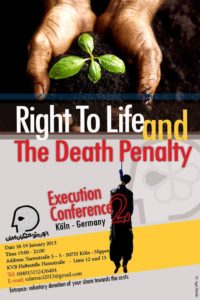
18/19 January 2014 – Cologne, Germany
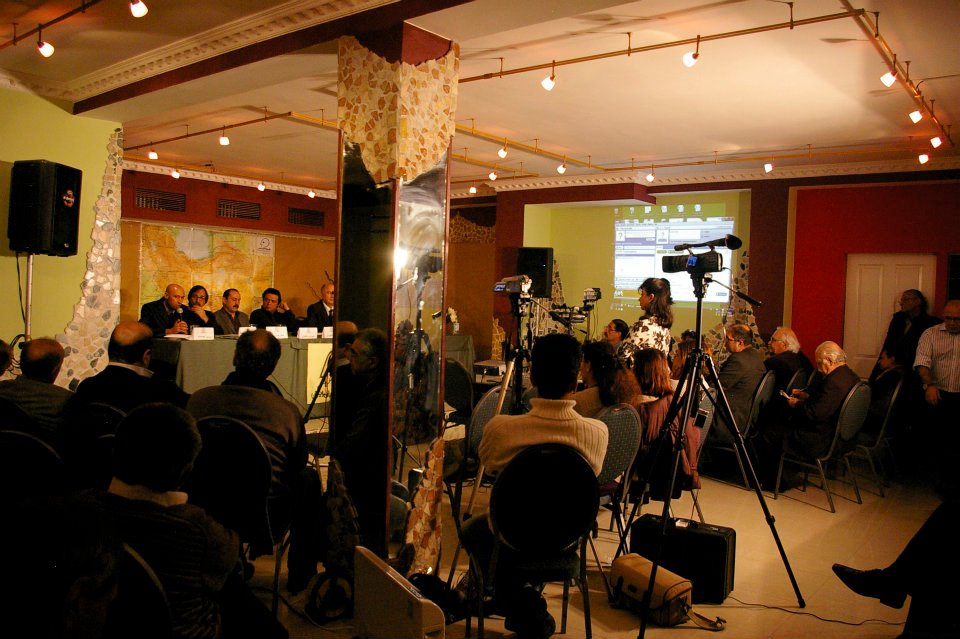
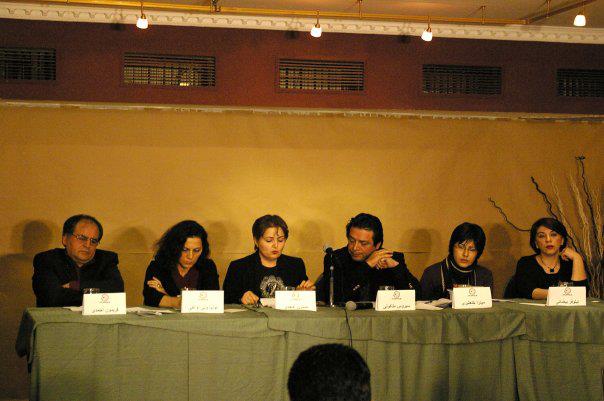
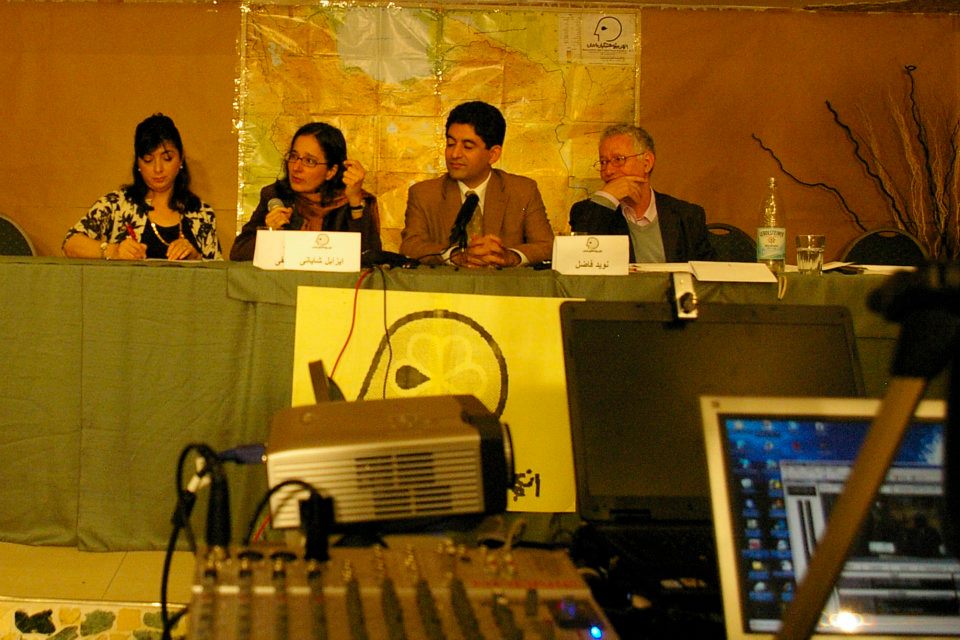
On day one of this conference the key question of ‘the right to life and the death penalty’ was discussed with regard to overall laws and religious practices in Iran. The consequences and affects of violent laws and public executions on society were among important topics of discussion.
The showing of a moving and award-winning documentary about the plight of three minors on death row also took discussions further concerning State perpetuated the cycle of violence when the responsibility of making life or death decisions is passed on to the aggrieved families of victims.
In a taped message from Iran, we heard from activists who work relentlessly on securing pardons for death row prisoners such as the young minors in the documentary and the invaluable role of sportsmen, actors and public figures in these efforts.
Day Two of the conference heard from Iran’s ethnic and religious groups and the use of the death penalty as a tool of oppression. Through a taped phone message, we heard the pleas of a young Sunni Kurd on death row, imprisoned at Rajaie Shahr prison, who bravely told the conference of repeated failures and injustices he had experienced. We also shared the tragic story of a mother whose two young sons were executed in Iran.
At the beginning of the last panel, we received a message of support from campaigners within Iran who welcomed the active cooperation of the Iranian diaspora in upholding the ‘right to life’. This was followed by an examination of the importance and relevance of public opinion on policy decisions and the role of media in reporting executions. We heard from experienced journalists with national and international experiences about the opportunities and obstacles to unbiased objective reporting in Iran. Legal experts discussed the duties of governments, the effects of laws on changing culture and the importance of education in raising public awareness about the right to life and the death penalty.
At the conference’s conclusion, the participants proposed that ACI set up and coordinate a coalition made up of all Iranian abolitionists to pull resources together and work in a cogent, cohesive manner towards this common objective. In accepting this arduous task ACI has invited the cooperation and participation of all interested parties and is at present working on a plan of action.
The interactions with colleagues, activists and human rights defenders in Iran were a most valuable contribution to the proceedings and their input was an asset in the fight against the death penalty in Iran.
Social and legal aspects of death penalty in Iran and USA
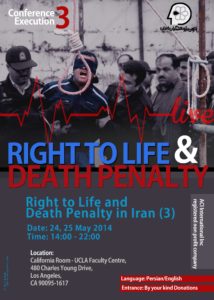
24/25 May 2014 – Los Angeles, USA
In this third conference, the proceedings heard the valuable contributions of US and international organisations such as the ‘American Civil Liberties Union – ACLU’ and ‘Reprieve’ who offered valuable insight into the application and execution of the death penalty in the USA and the importance of raising awareness through carefully planned campaigns.
As in the previous conferences, this gathering also benefited from the active participation of colleagues in Iran.
The key question for consideration at this conference was the likelihood of abolishing the death penalty in Iran in view of existing religious and ideological laws which were discussed extensively.
The media panel highlighted the importance of unbiased reporting and respect for the families of victims when campaigning for pardons in murder cases. The great value of the complimentary work of reporters and journalists in and out of Iran was also discussed.
Conference concluded with the following recommendations:
Raising awareness and dialogue with ordinary members of public must be at the top of the agenda of any successful campaign against the death penalty in Iran;
Safe support for civil society and grass roots activists against the death penalty in Iran;
Informing and engaging the international community to bear pressure on the Islamic Republic on the issue of death penalty in Iran
Poetry and Lyric Competition
24 May – 1 September 2014
ACI’s third conference in this series also saw the launch of a poetry and lyric competition. Entrants were invited to send in their work by the first of September 2014 for selection and publication in time for 10 October 2014 World Day Against Death Penalty. We are fortunate to have Iraj Janati Ataei, renowned Iranian lyricist and playwright, among the judging panel.
ACI conducted a 45 day internet survey on the question of the death penalty in Iran. As a sign of sensitivity to the topic the survey site was hacked and fell prey to three separate ‘phishing’ attempts by the Islamic Republic.
This survey, as with all of our other surveys, did not ask for the personal details of the respondents and limited itself to demographic questions. However, the fake survey page asked respondents from Iran to enter their names and email addresses before completing the survey.
Nevertheless, ACI’s technical experts recovered the survey. The respondents were mainly from Iran, Europe, the United States and Canada respectively. Their responses can be categorised and evaluated based on age, gender, education, employment, religion, place of birth, place of residence and other factors included in the demographic section of the survey.
Out of the 1111 respondents, 67% men and 23% women participated. The biggest age group participating in the survey were the 40-59 year olds.
In total, only 9% of the respondents supported some form of execution, the majority of whom supported Qesas (law of retribution). Men supported the use of the death penalty as a punishment twice more than women.
The full analysis is available upon request.
Future Proposed Conferences
Conference 4
Day One:
Mass Media influence on society and public policy
Day 2:
Criminal Justice system and the death penalty
Conference 5
Day One:
International standards, due process and prison conditions in Iran for death row inmates
Treatment of female death row inmates
Day Two:
Mass Media influence on society and public policy
Transitional justice and the death penalty in the future of Iran
ACI maintains an impartial and unprejudiced approach
to all its activities and respects all schools of thought.
We work actively with colleagues from all over the world
and hope to contribute towards a better future for Iran.
We welcome and invite the participation of all interested in Iran’s future.
ACI international Inc registered non-profit organisation exempt under section 501 (c) (3)
As the Christian world prepares to celebrate the birth of Jesus and Christmas, this year in Iran, the many Christians from a Muslim background remain persecuted and unable to manifest or worship freely and openly.
On December 21, this year Iranians and those of Iranian heritage all over the world marked the ancient Iranian tradition of YALDA night, the winter solstice. While traditionally Iranians celebrate the end of the longest night of the year and welcome the power of the sun’s shining rays over darkness, symbolically this year, in Iran family gatherings were held at gravesides of the young lives taken by the callous brutality of the regime since September 16, 2022, and the tragic death of Mahsa Jina Amini while in police custody. Outside Iran, candlelight vigils were held in world city centres in memory of the many thousands who have been killed at the hands of the regime since the establishment of the Islamic Republic in 1979.
As the two occasions have historically been linked together, it is a good time to remind the international community that in almost forty four years Iranians throughout Iran have been victims of persecution and discrimination on many different fronts.
Women and religious minorities are legally and systematically discriminated in law and in practice. What the world has witnessed in the last three months led to the expulsion of the Islamic Republic from the UN Commission on the Status of Women. Prior to this vote on December 14th, the UN Human Rights Council had already voted in favour of the establishment of an independent international fact-finding mission on the Islamic Republic of Iran.
ACI offers its best wishes for Christmas, particularly to the Iranian Christian community. ACI looks forward to a free democratic Iran where all are equal and where Iranians can gather in celebration of life and freedom in peace, in harmony and without any kind of distinction.
‘We will take back Iran’ is proudly chanted loudly on the streets wherever Iranians gather, not too long before it becomes a reality. In an echo of the words of President Zelensky to the US Congress ‘Iranians are alive and kicking!’